What is actually moving Los Angeles’s luxury market today? If you follow headlines, it can feel noisy and contradictory. You want a clear, practical read that helps you time your move, price with confidence, or identify the right opportunity. In this guide, you’ll get a concise look at the real drivers behind LA’s high end and how to use them to your advantage. Let’s dive in.
What “luxury” means in LA
For this guide, “luxury” refers to the top 5–10 percent of sales in Los Angeles County or roughly homes priced about 2M and up, with “prime” at 5M+ and “ultra-prime” at 10M+. Thresholds shift by neighborhood and over time. A 4M home in the Valley is a different segment than 4M on the Westside. The insights below reflect LA’s 2024 market structure and remain useful as benchmarks you can recalibrate with fresh comps.
Inventory by price band
Inventory is not one story across LA. It changes by price tier and micro-market, which shapes leverage for buyers and sellers.
Lower-luxury: about 2M–4M
This band is more active and reacts faster when mortgage conditions ease. Local move-up buyers and downsizers create steady churn. Well-priced, turnkey properties in strong streets often move quickly. New or well-renovated homes can command a premium and shorter time to contract.
Prime and ultra-prime: 5M+ and 10M+
Supply in the top tiers is episodic. When a unique view estate or architectural pedigree listing comes on, it can change the feel of a submarket overnight. Some sellers in this band will wait rather than cut, so you may see strategic withdrawals and relists. Expect longer marketing periods unless the property is exceptional in design, land, or privacy.
Spec and new-build pockets
Developer activity can create local surges in specific neighborhoods. That can lift buyer choice in the short run and increase price dispersion between stand-out builds and more generic product. Quality of design and execution matters more when supply clusters.
What this means for you
- Sellers: In more active bands, staging, pricing, and targeted marketing are your edge. In scarce enclaves, your leverage increases when you lead with quality and proof of uniqueness.
- Buyers: Where inventory is abundant, be selective and negotiate. In tight micro-markets, patience and readiness to act on the right asset can beat chasing small discounts.
Days on market patterns
Luxury homes tend to spend more days on market on average, but that average hides big differences.
Where DOM stretches and where it shrinks
DOM climbs with price, especially above 5M. Yet exceptional properties with strong architecture, views, or turnkey appeal often secure faster contracts even at the top. Seasonality matters. Late spring and early summer, plus early fall, usually see quicker movement than winter holidays.
Read DOM with care
DOM can be skewed by delist and relist strategies, price changes, or off-market time. Also review list-to-sale price ratio and time to contract. These give you a cleaner signal on market response and pricing accuracy.
Architectural premiums that matter
In LA, design is not a nice-to-have. It is a pricing factor. Buyers consistently pay more for certain attributes:
- Architectural pedigree or provenance, including named architects and documented histories.
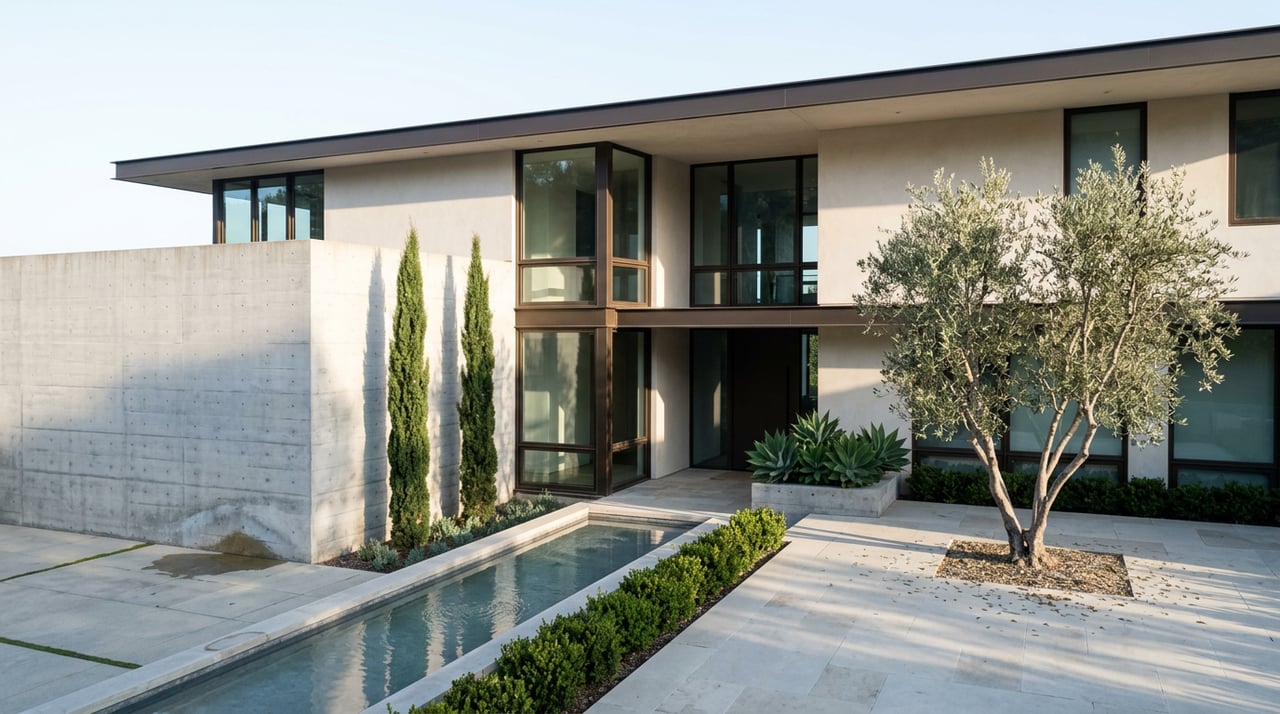
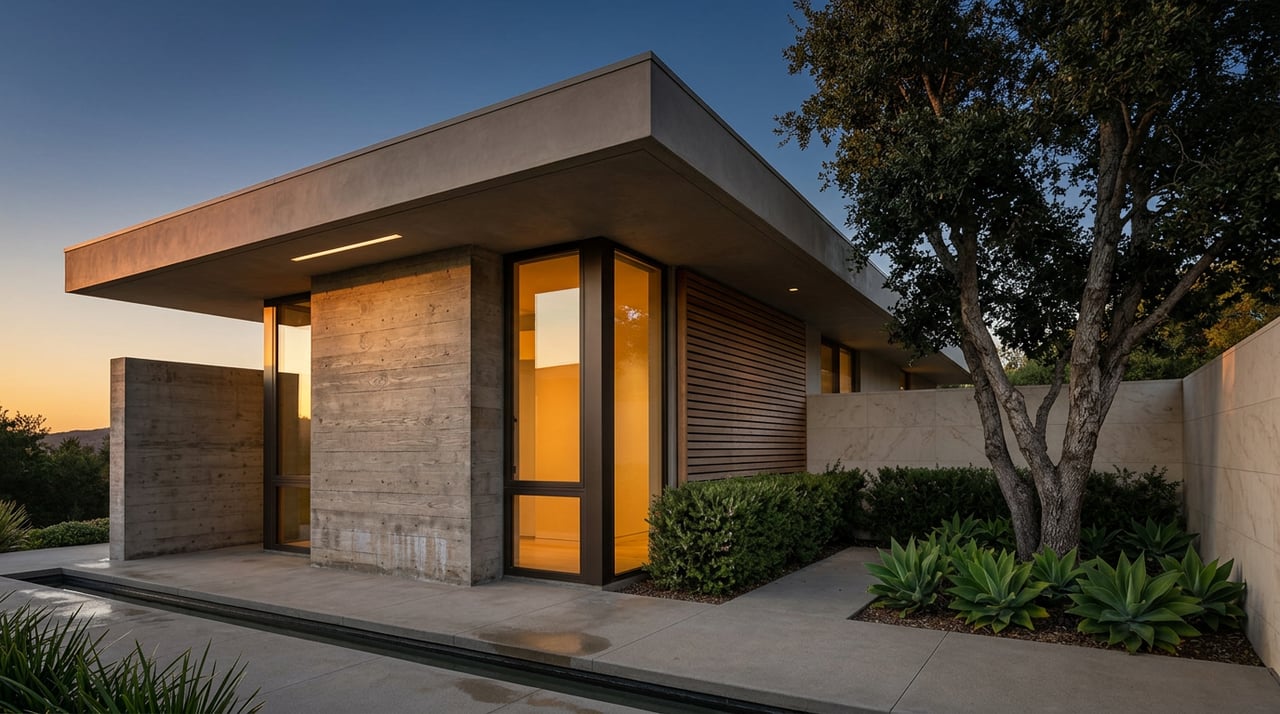
- Modern and mid-century modern done right, with authentic materials and thoughtful renovation.
- Unobstructed views, privacy, and land. Hillside sightlines and deep, usable lots carry outsized value.
- New construction or fully updated systems for a true turnkey experience.
- Bespoke amenities, such as screening rooms, wellness spaces, wine storage, guest houses, and advanced smart systems.
Older estates without modern systems or with challenging floor plans can see meaningful price friction. If upgrades are required, buyers will price in the capital needed to reach today’s standard.
Cross-market capital flows
Who is buying shapes pricing and speed. LA’s luxury pool remains diversified.
Domestic relocation and lifestyle moves
Buyers continue to arrive from other high-cost hubs, especially the Bay Area and New York. Entertainment, tech, and finance wealth are key demand pillars. Many pursue a primary residence, while others add LA as part of a multi-home portfolio.
International interest and family offices
Interest from Latin America and Asia has been a durable feature, though it can ebb and flow with currency and policy shifts. Family offices and high-net-worth buyers often view LA trophy assets as long-term holds, lifestyle hedges, or diversification plays. This cohort is more likely to transact off-market and use all-cash or bespoke financing.
Financing, rates, and buyer profiles
Rates affect segments differently.
- At the very top, more buyers pay cash or use cash-equivalent structures, which softens rate sensitivity.
- In the 2M–4M band, jumbo mortgages remain common, so shifts in rates can change absorption and negotiation posture.
- Portfolio and interest-only products help keep activity alive for qualified borrowers even when benchmarks are elevated.
Implications for strategy
- Sellers: Know the financing profile in your band. Pricing and concessions that acknowledge rate friction can help lift velocity where financed buyers dominate.
- Buyers: If you are using financing, get fully underwritten early and explore portfolio options. If you are all cash, use speed and certainty as leverage on terms, not only price.
How to read the numbers
Track a tight set of metrics and you will see the market more clearly:
- Active listings, new listings, and months of supply by price band and neighborhood.
- Median sale price and price per square foot alongside lot size and view quality.
- List-to-sale price ratio and time to contract, not just headline DOM.
- Share of cash transactions and jumbo mortgage use.
- Off-market activity, which often runs higher in the top tiers.
Compare quarter-to-quarter and year-over-year rather than month-to-month. In ultra-prime, one trophy sale can skew averages, so favor medians and multi-quarter views.
Micro-market notes across LA
Each enclave has its own rhythm. Understanding that rhythm prevents overgeneralization.
- Westside coastal: Pacific Palisades, Santa Monica, and Malibu see strong premiums for ocean views, beach access, and privacy. Supply can be thin and irregular, creating seller leverage for exceptional properties.
- Hills markets: Hollywood Hills, Bel Air, and Beverly Hills Post Office reward view lines, architectural relevance, and indoor-outdoor flow. Turnkey moderns and pedigreed MCM compete for different buyers but both can move quickly when authentic.
- Prime flats: Beverly Hills, Holmby Hills, and parts of Brentwood value land, privacy, and classic estates with updated systems. Marketing should highlight provenance and lifestyle utility.
- Valley luxury: Studio City, Sherman Oaks, and Encino offer newer construction at larger scale, often with strong amenity suites. Inventory can be more elastic, which creates room to negotiate when multiple similar homes hit at once.
Practical playbooks for sellers and buyers
A few focused moves can tilt outcomes in your favor.
If you are selling
- Calibrate your band: confirm months of supply and recent comps for your street and style.
- Lead with design: present architecture, views, and privacy with editorial-quality visuals and narrative.
- Control the runway: pre-inspect, pre-stage, and align pricing with a defined 30-, 60-, and 90-day plan.
- Target the right buyers: reach relocation, international, and family office channels that match your asset type.
If you are buying
- Define your non-negotiables: architecture, view, privacy, land, or new systems.
- Track supply pulses: when three similar homes list, you may get terms and price flexibility.
- Be offer-ready: proof of funds or full underwriting improves speed and certainty.
- Look off-market: pocket opportunities are common at the top and can reduce competition.
The best results in LA luxury come from pairing design fluency with market discipline. If you want a quiet, data-driven path to sell or source a trophy property, connect for a confidential conversation with Brendan Brown.
FAQs
Is now a good time to sell a luxury home in Los Angeles?
- It depends on your micro-market, price band, and how your property stacks up on design, land, and privacy; confirm months of supply and recent comps before setting price.
How long do high-end homes in LA typically take to sell?
- Days on market rises with price, but exceptional, turnkey properties can secure faster contracts; review time to contract and list-to-sale ratio for a clearer read.
Which features add the most value in LA’s luxury segment?
- Unobstructed views, privacy and land, authentic architecture or pedigree, new or fully updated systems, and curated amenities tend to command the largest premiums.
Where is buyer demand for LA luxury coming from right now?
- A mix of local move-ups, domestic relocations from hubs like the Bay Area and New York, and international and family-office buyers seeking lifestyle and diversification.
How do interest rates affect Los Angeles luxury buyers?
- The top tier sees more cash and bespoke financing, so rate impact is softer; in the 2M–4M band, jumbo rates influence absorption and negotiation more directly.