When I look at Brand Beckham’s global real estate portfolio, I don’t see celebrity excess—I see a deliberate evolution from early statement homes to market-proof assets built for longevity. It mirrors exactly how I advise clients and how sophisticated buyers approach real estate today.
When I think about how real estate traces the arc of a life, I don’t start with square footage or finishes. I start with timing—when someone decides to anchor themselves, when they decide to expand, and when they decide to invest in permanence. That’s why I’m often drawn to the homes David and Victoria Beckham have chosen over the past three decades. Their real estate story isn’t simply about celebrity ownership; it’s a record of how identity, family, and geography evolve alongside market intelligence. It’s also the same pattern I see with the clients I work with today, especially in a market where stability, architectural integrity, and long-term relevance are once again outperforming flash. The perspective I bring to these conversations—how I read culture, value, and place together—has always been central to my work and is something I’ve articulated in depth over time.
When David and Victoria first entered the property world together, their choices were bold, expressive, and deeply personal. Their first shared home, a Victorian-style flat in Alderley Edge purchased in 1998 for about $400,000, became the backdrop for early family life and unapologetic personal style. When they sold it in 2002 for roughly $740,000, the return wasn’t accidental. It reflected the power of buying into a neighborhood with real demand before it became obvious. These early decisions are often misread as impulsive, but in hindsight they reveal instinct—the same instinct that separates cultural relevance from trend-chasing. That distinction, between visibility and substance, is something I’ve explored publicly as my work has intersected more directly with media and culture.
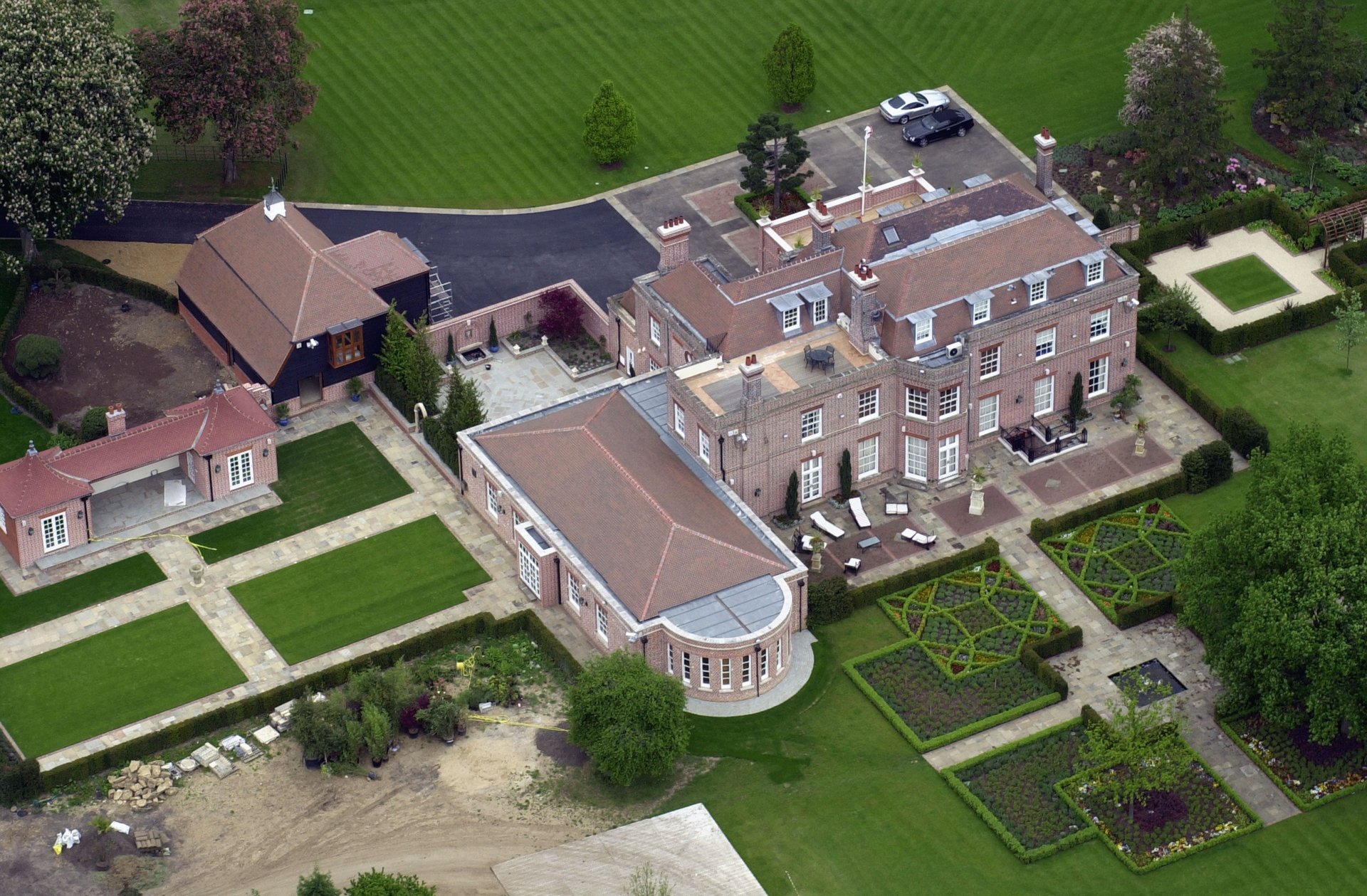
That instinct scaled dramatically with Rowneybury House in Hertfordshire, purchased in 1999 for approximately $3.8 million and transformed with nearly as much investment into a sprawling estate the British press dubbed “Beckingham Palace.” With seven bedrooms, landscaped grounds, tennis courts, and highly curated interiors, the property was ambitious by design. But what made it truly instructive was time. When the estate sold roughly fifteen years later for about $14 million, the value wasn’t driven by celebrity alone. With more than 10,000 square feet on roughly 24 acres and proximity to London, it benefited from land, scale, and stewardship. These are fundamentals that quietly define enduring value—the same principles that guide how I think about alignment, representation, and the properties I choose to stand behind.
As their lives evolved, so did the nuance of their portfolio. Homes like the converted barn at the Heawood Hall Estate, acquired in 2001 for around $1.5 million and later sold for approximately $2.7 million, weren’t headline-grabbing, but they added depth. Historic character, adaptive reuse, and emotional weight began to matter alongside scale. In Los Angeles and other mature markets, I see buyers gravitating toward this same sensibility now—homes that carry narrative, not just square footage. The market has become far more fluent in reading authenticity, and that shift continues to shape how value behaves.
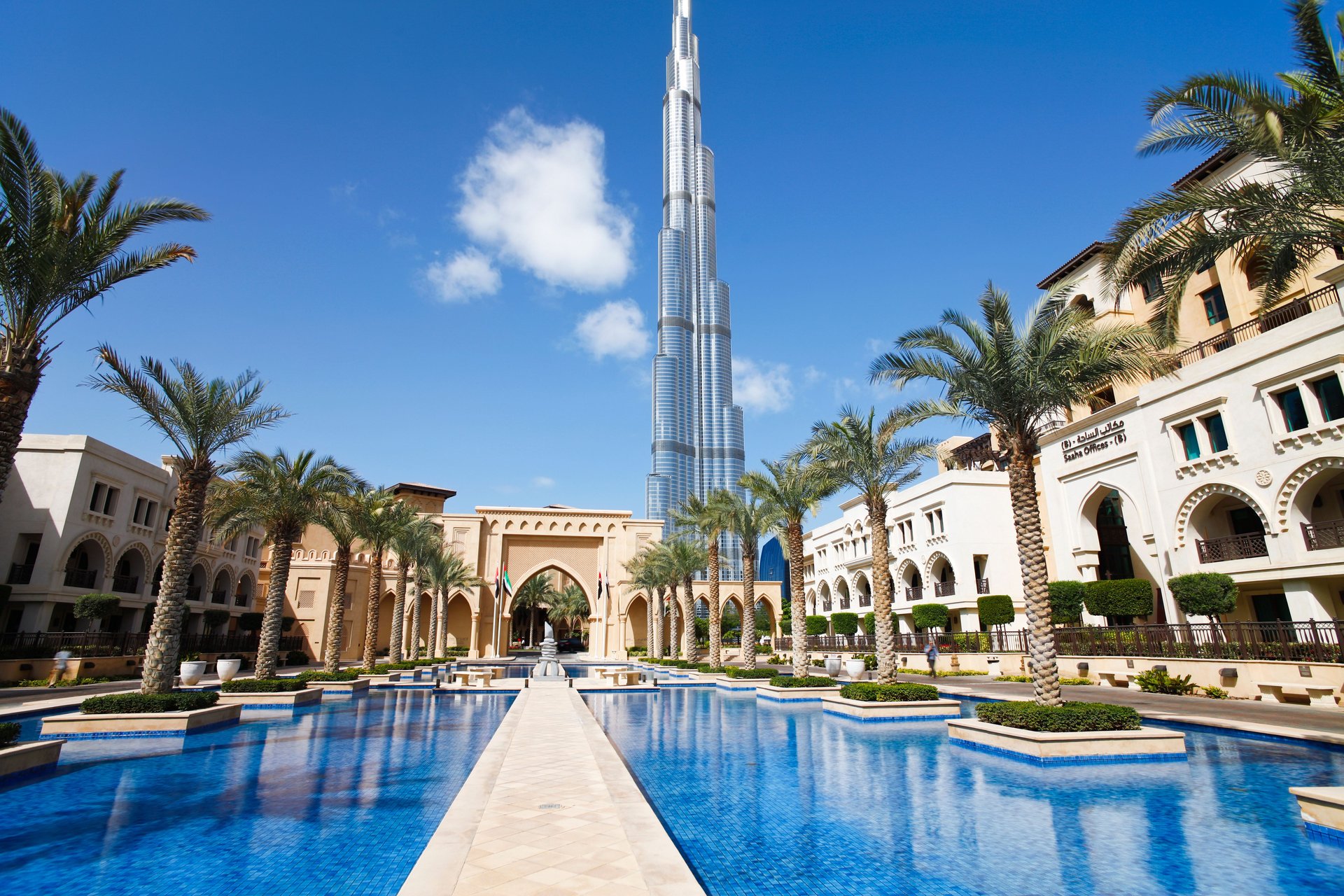
Geography became a defining theme in the early 2000s as the Beckhams’ lives became increasingly global. A villa on Dubai’s Palm Jumeirah purchased for about $1.6 million served as a seasonal anchor in an emerging luxury market before ultimately being gifted to family. A French Riviera home near Saint-Tropez, roughly 6,500 square feet on expansive land and purchased for about $1.9 million, prioritized lifestyle over return. A Spanish villa in La Moraleja, acquired for approximately $3.7 million, placed them where life and career were unfolding in real time. Not every property was meant to be held forever, and that honesty about function is something sophisticated buyers understand instinctively.
The move to the United States marked a clear inflection point. With David’s signing to LA Galaxy, the Beckhams purchased a nearly 13,000-square-foot Italian-style estate in Beverly Hills in 2007 for $22 million. When it sold in 2018 for about $33 million, the outcome underscored a simple truth: bold purchases work when the market underneath them is real. The Los Angeles and Beverly Hills markets remains one of the world’s deepest luxury markets, which is why properties with architectural presence continue to perform there even as cycles shift.
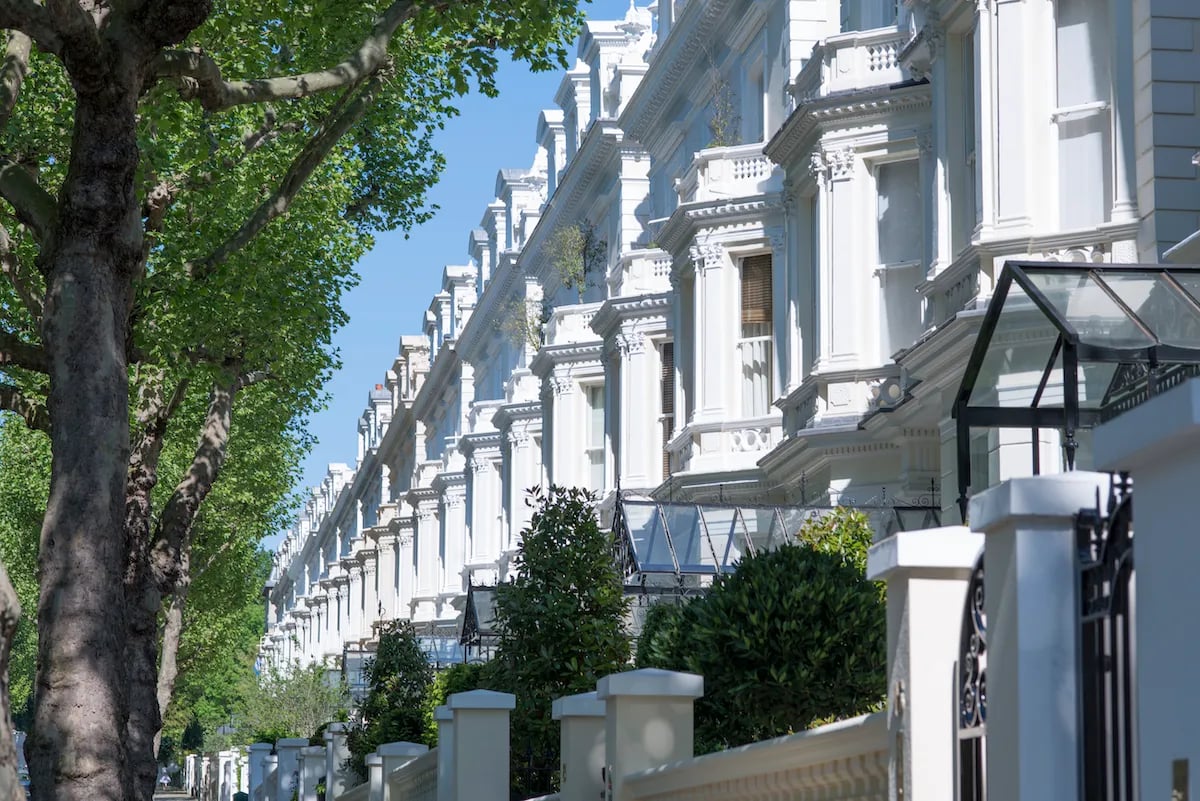
By 2013, the Beckhams’ focus had moved decisively toward legacy. Their Holland Park mansion in London, purchased for around $49 million and renovated over several years with high-level architectural and design input, is less about display and more about permanence. Period character, grand scale, and cultural context give the home relevance that doesn’t expire. The same dynamic applies in Los Angeles, where homes with provenance and restraint increasingly stand apart from short-lived statements.
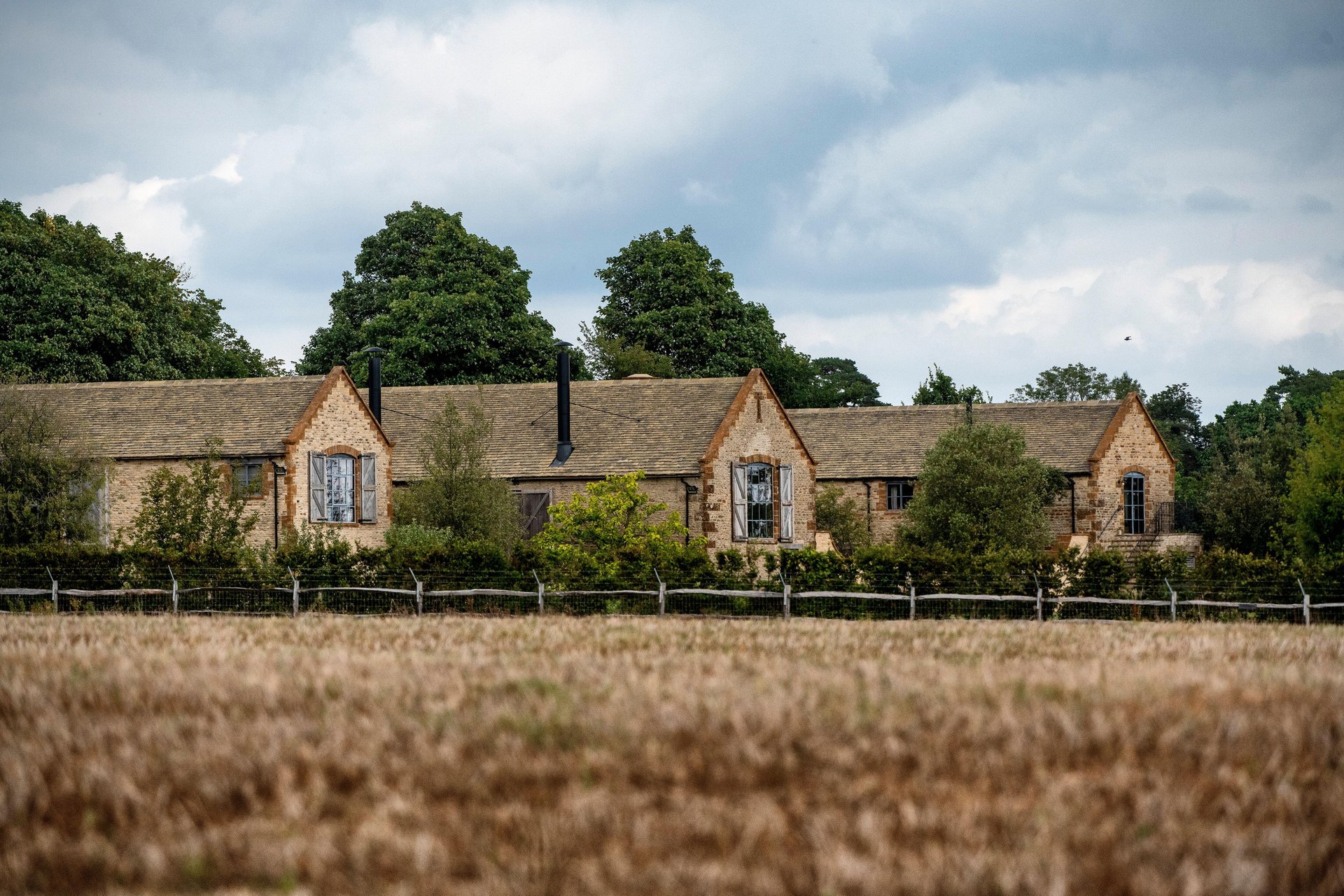
A few years later, they acquired a Cotswolds estate for about $7.5 million, consolidating rural buildings into a cohesive nine-bedroom retreat designed for daily life rather than performance. In today’s market, that distinction—between living and staging—has never mattered more.
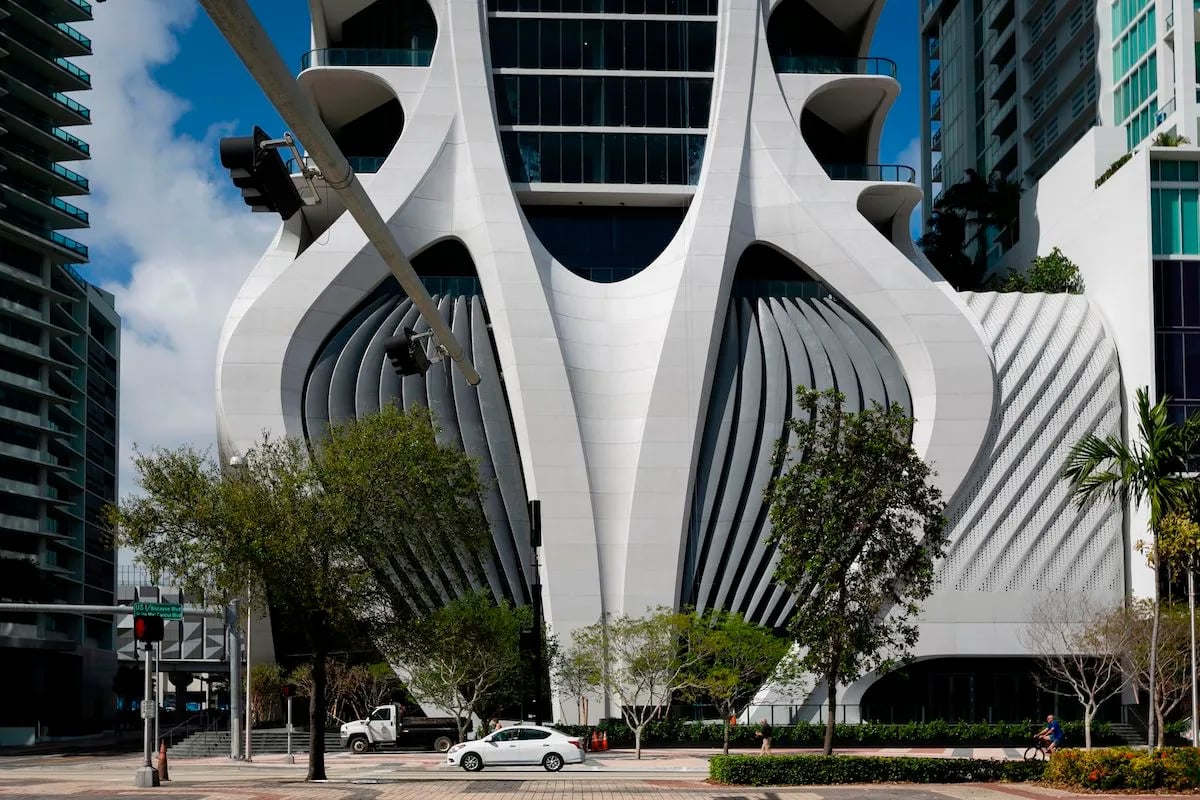
Most recently, Miami has become the most contemporary expression of Brand Beckham’s strategy. A full-floor penthouse at Zaha Hadid’s One Thousand Museum, purchased for about $24 million, followed by a $72.3 million waterfront estate on North Bay Road, reflects a clear understanding of architectural rarity and waterfront scarcity. These are global value drivers, not trends, and they mirror patterns emerging across major luxury markets. I continue to examine how these shifts intersect with culture, capital, and place through ongoing analysis commentary weekly on my blog.
What makes the Beckham portfolio so instructive isn’t the number of homes or the headline prices—it’s the rhythm, intention, and investment. Early homes captured momentum and identity. Mid-career homes balanced expansion with liquidity. Later homes emphasize permanence, architecture, and geography. That rhythm is the same one that defines lasting real estate value.
Brand Beckham’s global real estate portfolio isn’t just expansive. It’s considered. And it’s a reminder that the most powerful homes don’t shout—they endure.