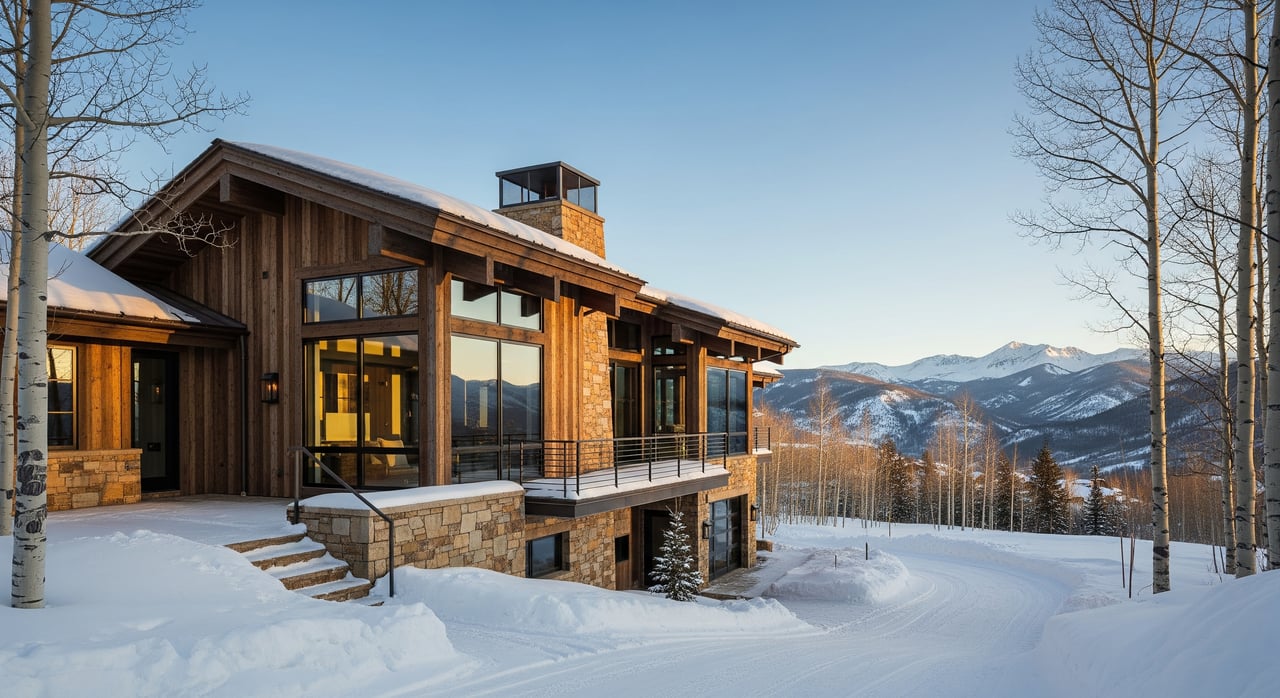
What if your Aspen morning started with buckling your boots by the door, clicking in, and gliding straight onto a groomed run? If true ski-in/ski-out is your priority, you know convenience drives both lifestyle and long-term value. The challenge is that “ski-in/ski-out” can mean many things in a resort town — and those differences affect daily use, rental potential, and resale. This guide gives you a clear framework to define access, pinpoint the right micro-locations, and run thorough due diligence so you buy with confidence. Let’s dive in.
What ski-in/ski-out really means
Not all “ski-in/ski-out” is equal. Think of it as a spectrum of access:
- True door-to-piste. You step out, clip in, and immediately reach a maintained ski run or skiway without removing skis.
- Building-adjacent. The building sits on or above a ski trail with a short groomed traverse to a lift or main run.
- Lift-plaza walk. You walk across a base area or plaza to a lift or gondola.
- Shuttle or valet-served. A short vehicle ride delivers you to the lifts, common for many village condos.
- Needs interpretation. Routes that cross streets, parking lots, or rely on private easements reduce convenience and can soften resale appeal.
Marketing language can be loose. Before you rely on a listing description, verify the exact route and the worst-case access in lean snow or after grooming. Ask three simple questions:
- Can a competent skier enter and exit without removing skis?
- Is the route groomed, maintained, and open to the public every season?
- Do closures from wind or low snow ever make the route unusable?
Aspen vs. Snowmass: where true access exists
Aspen Snowmass operates four distinct areas that shape how and where you find true ski-in/ski-out: Aspen Mountain (Ajax), Aspen Highlands, Buttermilk, and Snowmass. Review official maps and lift info directly with Aspen Snowmass when you assess a property.
Downtown Aspen / Ajax
You buy here for town energy and luxury amenities within a short walk of dining and galleries. Many properties marketed as ski-in/ski-out are actually lift-plaza or a short walk to the Silver Queen Gondola or service lifts. Aspen Mountain favors steeper, advanced terrain, so access can be less forgiving for beginners. If you value prestige and walkability, this micro-location is compelling, but confirm the exact ski route and the realism of a true “ski-in” in variable conditions.
West End / Red Mountain / Lower Town
These areas offer residential settings with quick access into town and potential proximity to the gondola or in-town runs, depending on the address. Claims of “ski-in” can be complicated by road crossings or municipal snow operations. Verify how you actually travel on skis to and from the property, and who maintains what.
Aspen Highlands
Highlands is prized by terrain-focused skiers, with direct lift access and the draw of Highland Bowl. There are fewer base-area condo communities than in Snowmass, so inventory is limited. Access and nearby terrain can be subject to seasonal or wind closures, and avalanche-mitigated terrain is closer to the experience. Confirm operational patterns with Aspen Snowmass.
Buttermilk
Known for approachable terrain and learning-friendly slopes, Buttermilk hosts major events and is comfortable for newer or family-oriented skiers. Base-area options are fewer than in Snowmass, yet rental demand is steady for beginner-friendly access. If a calmer base experience and easy terrain matter, this can be a smart fit.
Snowmass Village
Snowmass offers the largest contiguous terrain and the most consistent base development for true building-adjacent access.
- Base Village / Mall. Many properties here sit directly on groomed routes, with new infrastructure, lifts, and shops that make daily logistics easy. Higher elevation supports a longer season and strong family appeal. The tradeoff is distance from downtown Aspen, about 10 to 12 miles.
- Elk Camp / Brush Creek / Tiehack. Properties near Elk Camp Chair are convenient for families and activities. Some spots require a short walk across a plaza or use of resort shuttles.
In summary, Snowmass generally offers more verified building-adjacent ski-in/ski-out and a longer season, while Aspen Mountain delivers town prestige and visibility with more conditional access.
How to verify true access
You want to confirm the experience you will actually have on a busy Saturday in February and on a low-snow day in early season. Use a mix of documents, conversations, and on-the-ground checks.
Key parties and documents
- Seller or listing agent. Request a map and winter photos or video of the exact ski route, including low-snow scenarios and night access.
- HOA or property management. Ask for rules, minutes, budgets, reserve studies, snow removal policies, skiway easements, ski locker details, and any rental restrictions or on-site management requirements.
- Title company. Verify recorded ski easements and rights-of-way. Confirm whether they are irrevocable and cover the route you will use.
- Resort operations. Request confirmation of the run or skiway identity, grooming status, and any future lift realignments from Aspen Snowmass.
- Local government. Confirm short-term rental licenses, lodging taxes, and zoning with the City of Aspen, Snowmass Village, and Pitkin County.
- Avalanche and safety. Check forecasts and mitigation context with the Colorado Avalanche Information Center, and confirm any resort mitigation plans that could affect nearby routes.
On-site physical checks
- Walk or ski the route in real conditions. Do this in heavy snow, lean snow, and after grooming. If possible, ski the route with video to document grade changes, traverses, and choke points.
- Confirm maintenance and payment. Identify who grooms or patrols the route and who pays for it: the resort, the HOA, or the municipality.
- Identify hazards. Look for wind-exposed sections, steep traverses, street or parking lot crossings, and any proximity to avalanche-managed terrain.
- Check amenities and logistics. Verify ski lockers, valet options, boot dryers, direct-access ski rooms, and on-site rental pick-up and drop-off.
- Evaluate arrivals. Confirm where vehicles can unload during peak weeks, what the parking rules are, and how ADA access is handled in winter.
Legal and regulatory checks
- Easements and access rights. Confirm legal descriptions and seasonal limits. Avoid revocable easements when your use case depends on the route.
- HOA covenants and rental rules. Many mountain HOAs limit short-term rentals or require approved management. Get the rules in writing and review recent minutes for enforcement history.
- Licensing and taxes. Verify current STR licensing and lodging taxes with the City of Aspen, Snowmass Village, and Pitkin County. Rules can change, so always confirm before modeling income.
- Insurance. Obtain quotes that reflect wildfire exposure, slope-adjacent liability, and property coverage specific to high-elevation conditions.
Operational and building checks
- Snow removal. Clarify who clears walkways, roofs, driveways, and any private skiway. Ask about seasonal assessments.
- Structural resilience. Review roof load capacity, waterproofing, and replacement timelines after heavy snow years.
- Utilities and backups. Confirm systems are designed for freeze risk and whether backup power is available.
- Emergency access. Make sure service and emergency vehicles can reach the property during winter storms.
Season length, demand, and resale
Season length and activity mix shape how you will use the property and what it can earn if you rent. Snowmass often operates a longer window thanks to elevation and expansive terrain, plus a robust slate of year-round activities like biking and hiking. Peak winter weeks around holidays drive top rates and occupancy; shoulder seasons can still perform, especially in locations near village events and summer trails. Review operations and maps with Aspen Snowmass to understand lift plans that could strengthen or shift demand near your property.
HOA fees for true ski-in/ski-out tend to be higher because you benefit from on-site services like maintenance, shuttle operations, and snow management. Model net returns after HOA dues, property management, taxes, and any resort assessments. If the HOA or municipality caps short-term rentals or requires a specific management program, factor the impact into your projections.
For resale, documented, year-over-year access is a real advantage. Scarcity supports liquidity, especially among repeat buyers who prioritize convenience. That said, property type, HOA health, rental constraints, finishes, parking, and storage also drive value. Preserve your documentation — trail confirmations, easements, route videos, and HOA policies — to support your position when you sell.
Micro-location tradeoffs at a glance
- If you want town-centric living and brand-name luxury, Aspen Mountain delivers prestige, with the nuance that much of the access is a short walk to lifts and terrain skews advanced.
- If you want consistent ski-to-door life with family-friendly terrain and a longer season, Snowmass Base Village and Mall areas offer the highest share of building-adjacent inventory.
- If you want terrain-forward skiing and a quieter base, Highlands can be excellent, balancing proximity to advanced terrain with more limited condo supply.
- If you want approachable slopes and a relaxed scene, Buttermilk is attractive, with stable demand from newer or casual skiers.
Practical buyer checklist
Use this step-by-step process to move from tour to closing with clarity.
On the tour
- Walk or ski the access route in winter conditions; capture video of the full path.
- Ask for a labeled plan or map from the seller showing entry and exit points.
Before contract
- Obtain HOA governing documents, current budget, reserve study, and the last 12 months of minutes.
- Order a title search showing recorded ski easements and rights-of-way.
- Request written confirmation from Aspen Snowmass identifying the trail or skiway and its maintenance status.
- Confirm STR licensing and taxes with the City of Aspen, Snowmass Village, and Pitkin County.
- Get insurance quotes that reflect wildfire, winter weather, and slope-adjacent risk.
Inspection period
- Assess proximity to avalanche-managed terrain with the Colorado Avalanche Information Center and resort ops updates.
- Inspect roof load capacity, waterproofing, and mechanical systems for cold-weather performance.
- Verify snow-removal responsibilities and check for any deferred maintenance assessments.
Closing and ownership
- Line up trusted local operations contacts, from concierge and rental desks to on-site services, as allowed within your HOA.
- Confirm storage for gear, guest arrivals, and peak-week parking logistics.
- Keep a complete file of ski access documentation for future resale confidence.
Getting around and services
Reliable transport makes a big difference on non-ski days or when guests arrive. Review bus service with the Roaring Fork Transportation Authority and confirm seasonal resort shuttles in Snowmass Village. For resort operations, maps, and planned capital projects, go to Aspen Snowmass. For permits and planning questions, consult the City of Aspen, Snowmass Village, and Pitkin County.
Your next step
Buying in Aspen or Snowmass is about aligning experience with long-term value. If true ski-in/ski-out is non-negotiable, your edge comes from verifying the route, understanding HOA and licensing rules, and securing the right micro-location for your lifestyle and potential rental goals. If you want a discreet, design-informed strategy and access to curated options, including off-market possibilities, let’s talk.
Ready to explore the right slope-side options? Connect with Brendan Brown to Schedule a confidential consultation.
FAQs
What defines true ski-in/ski-out in Aspen?
- You can clip in or out at the building and reach a maintained run or skiway without removing skis, verified by maps, grooming status, and recorded easements.
Where is the highest share of building-adjacent access?
- Snowmass Base Village and Mall areas generally offer more true building-adjacent options and a longer season due to elevation and terrain scale.
How do rental rules affect income potential?
- HOA covenants and municipal STR licensing can limit stays, mandate managers, or add taxes, which you should verify with the city, village, and county before underwriting.
What should I check during winter property tours?
- Ski the exact route in different conditions, record video, identify hazards or road crossings, and confirm who grooms and pays for the access.
Who confirms trail status and future lift plans?
- Contact Aspen Snowmass for official trail identities, grooming practices, and any planned lift realignments.
How do I assess avalanche considerations near a property?
- Review forecasts and mitigation info with the Colorado Avalanche Information Center and confirm resort mitigation practices for nearby terrain.