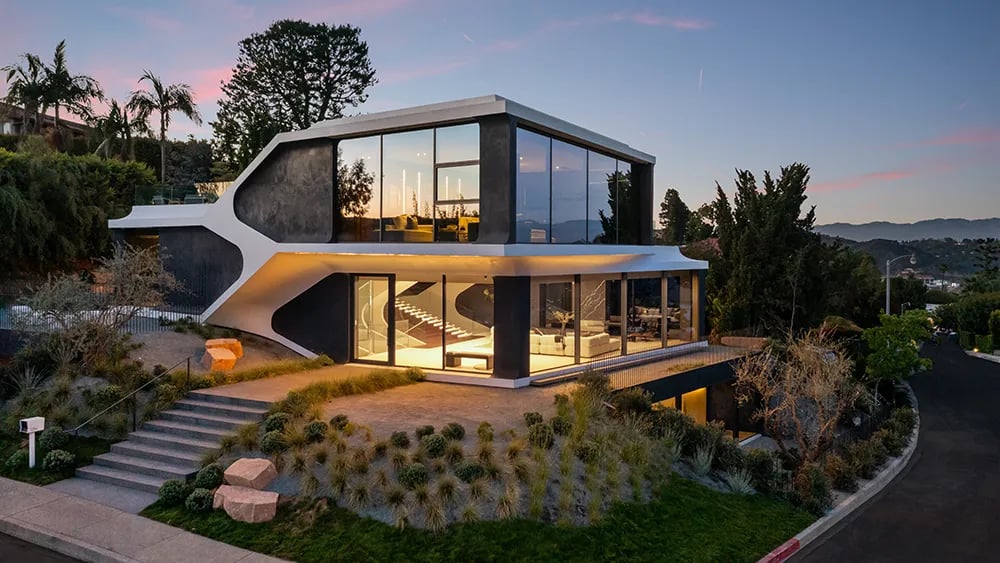
If you are preparing a home in the Bird Streets for market, design is not just aesthetics. It is strategy. Buyers here pay for a feeling the moment they step inside, and that feeling is shaped by views, privacy, and how the home supports entertaining and wellness.
You want to make smart investments that protect value and accelerate a premium sale. This guide breaks down the features Bird Streets buyers consistently reward, plus practical constraints to plan around on these hillside lots.
You will learn where to focus, what to avoid, and how to translate design upgrades into compelling lifestyle moments that show beautifully. Let’s dive in.
What buyers expect in the Bird Streets
High‑net‑worth buyers in the Bird Streets prioritize panoramic views, privacy, and design pedigree. They want indoor‑outdoor living that works for everyday life and events. Primary suites double as wellness retreats, and systems should be integrated and easy to use.
The decision drivers are experiential. Orientation, sightlines, terraces, and the quality of finishes and systems shape how a property feels on a showing and in photos.
Prioritize view framing and sightlines
Buyers will pay a premium for a home that captures and protects its views. Treat the view as the lead character in your listing narrative.
How to execute view-first planning
- Place main living, dining, kitchen, and the primary bedroom on the view side. Avoid putting service spaces on the prime façade.
- Use large, minimally obstructive glazing and structural solutions that keep mullions slim and sightlines clean.
- Add framing devices like cantilevered terraces, overhangs, or apertures that focus long views.
Layer privacy without losing the view
- Create setback terraces and use live screens, green walls, or strategically placed landscape to block neighboring sightlines.
- Integrate glass railings to keep horizons uninterrupted.
- Plan shading and glare control for comfort and AV usability.
Create seamless indoor‑outdoor flow and terraces
Outdoor rooms are expected in this micro‑market. The best homes blur boundaries and program terraces for different uses throughout the day.
Big openings and clean thresholds
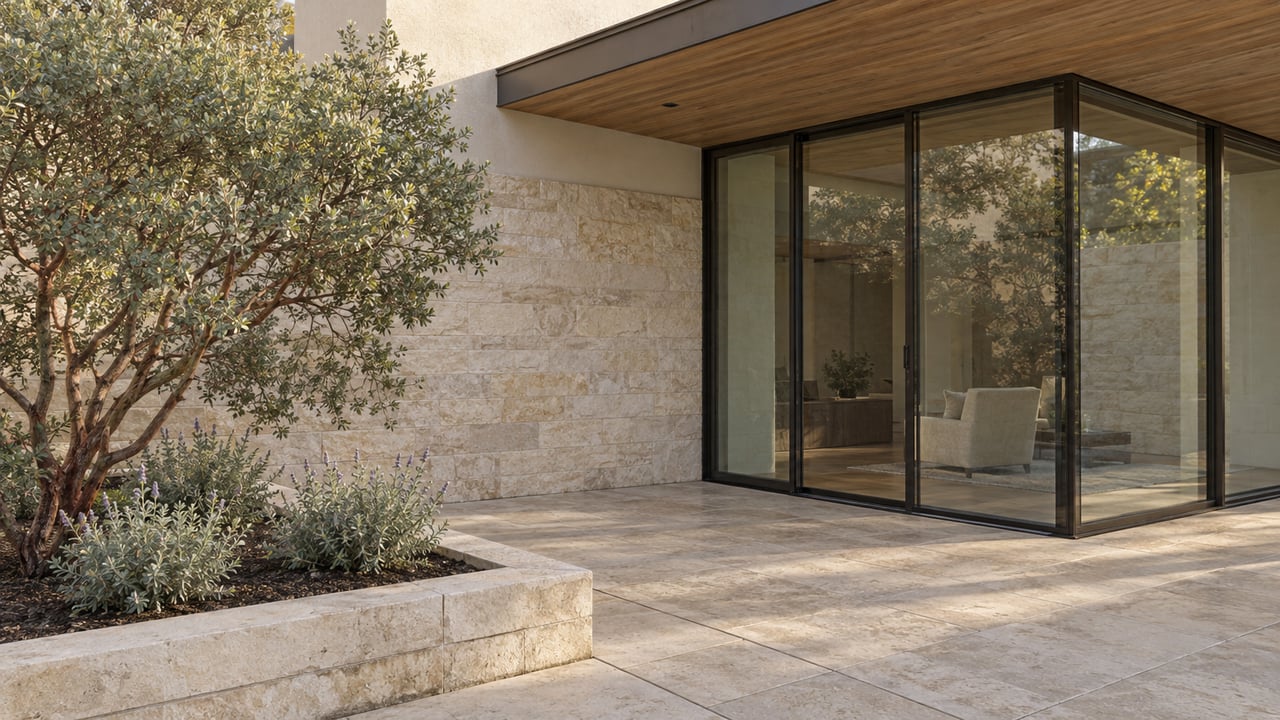
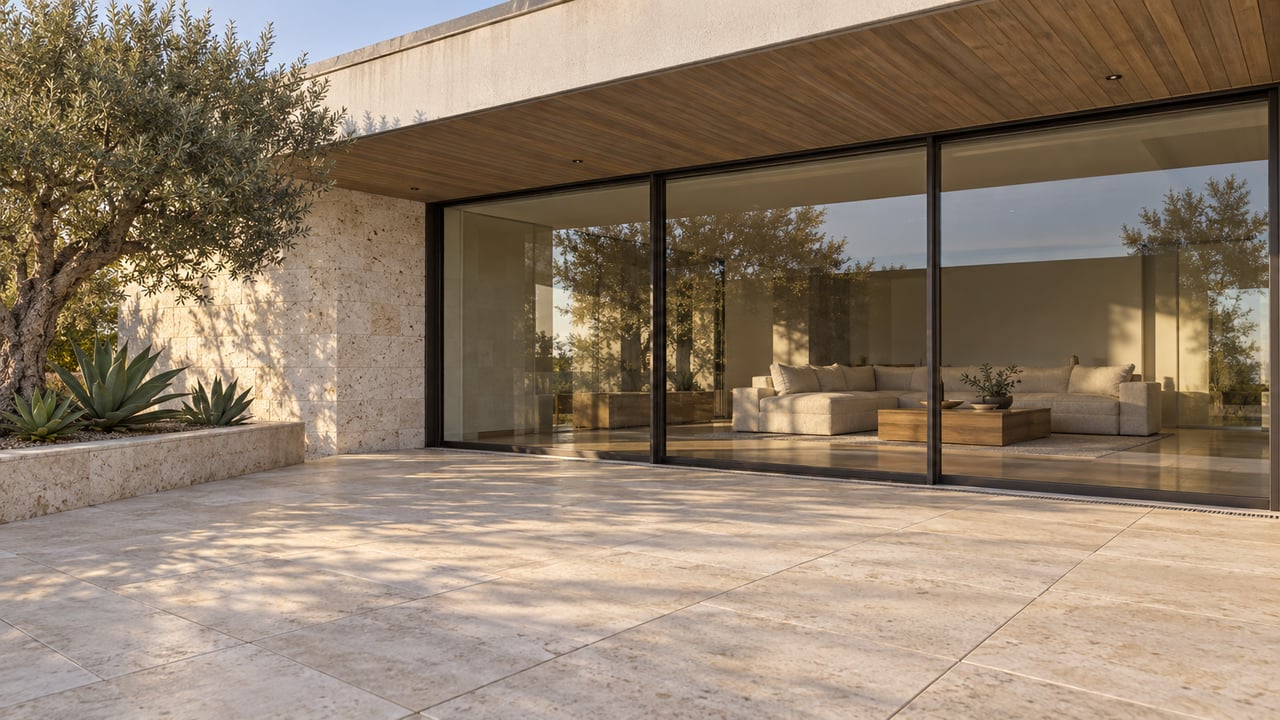
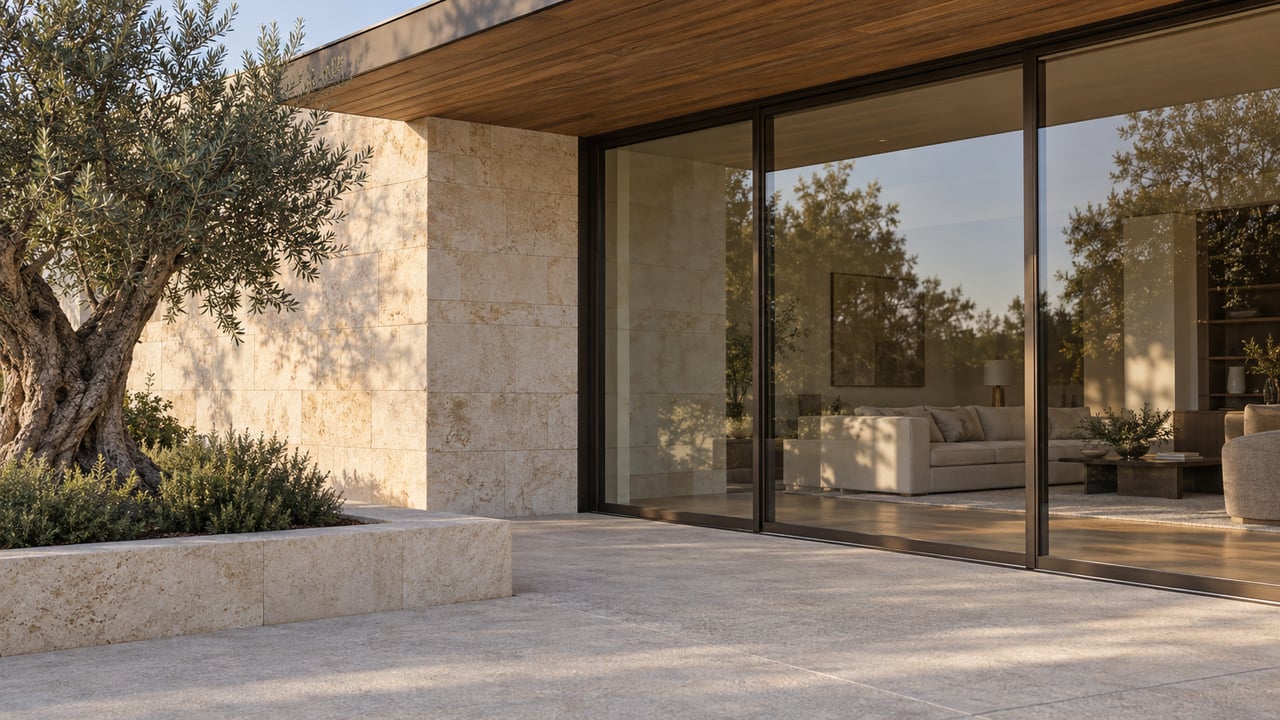
- Install wide pocket, slide, or fold doors with recessed tracks for a flush transition.
- Continue flooring materials or select compatible finishes for visual continuity and slip resistance.
- Coordinate HVAC zoning near openings so comfort holds with doors open or closed.
Tiered terraces and pool orientation
- Program multiple levels for sun, shade, dining, and quiet viewing.
- Position the pool as part of the view axis; infinity edges remain a strong draw when executed well.
- Resolve structure, waterproofing, drainage, and outdoor kitchen utilities early to avoid retrofits.
Elevate the primary suite and wellness
The primary suite should feel like a private retreat. Wellness features are no longer optional at this level.
Bedroom retreat and terrace access
- Give the bedroom direct access to a private terrace with a focused view.
- Include a seating area and either a fireplace or a media wall for restful evenings.
- Prioritize acoustic comfort and blackout control.
Spa bath and dedicated wellness zones
- Design a generous bath with a steam or sauna, soaking tub oriented to a view, double wet areas, and abundant natural light.
- Where feasible, add a private outdoor shower or plunge.
- Consider a wellness suite with a gym, massage or therapy room, and adjacency to recovery amenities.
Air, light, and comfort
- Use circadian‑friendly lighting schemes in sleeping and wellness areas.
- Upgrade ventilation and humidity control to support steam and sauna functions without compromising finishes.
Plan discreet staff and service circulation
Privacy and smooth household operations matter. Keep service routes out of guest sightlines.
Back‑of‑house that works
- Provide a separate service entry, dedicated stairs or elevator, and discreet loading zones.
- Include staff accommodations or a guest suite with private access when the program suggests full‑time management.
- Document routes so showing paths remain clean and focused on lifestyle spaces.
Kitchens built for entertaining
- Pair the main kitchen with a catering or chef’s prep area and a butler’s pantry.
- Integrate refrigeration and appliance packages that look tidy in photos and function for large events.
Light the home for life and photography
Good lighting transforms perception on tours and in media. Balance daylight with layered artificial light.
Layers and scenes
- Combine general, task, and accent lighting with exterior illumination.
- Add scene control and dimming so you can demonstrate entertaining, dining, and night modes during showings.
- Specify color temperature and CRI that photograph well.
Daylight and window treatments
- Use skylights, clerestories, or light wells to bring daylight into deep plans while preserving privacy.
- Add motorized shading and blackout options in media rooms and the primary suite.
- Automate to reduce solar gain and protect finishes.
Integrate smart ecosystems and security
Buyers expect unified control that is reliable and easy to hand off.
Integration that feels effortless
- Centralize lighting, shades, AV, HVAC zoning, and security on a whole‑house platform with mobile support.
- Include perimeter cameras, access control, gated entry, and driveway sensors.
- Pre‑program simple scenes so agents can demonstrate features in seconds.
Keep it serviceable
- Avoid overly bespoke systems that only one vendor can maintain.
- Favor standardized, widely supported ecosystems with clear documentation for the next owner.
Select finishes that signal quality
Finish quality communicates design pedigree and reduces buyer friction. Choose materials that look exceptional and wear well.
Kitchen and entertaining zones
- Install chef‑grade appliances, integrated refrigeration, custom millwork, and a large island.
- Use stone countertops suitable for heavy use.
- Keep lines clean to emphasize volume and view.
Floors, baths, and exterior cladding
- Specify wide‑plank wood or polished stone for main areas to reinforce flow.
- Use large‑format tile, quality fixtures, and custom cabinetry in baths.
- Select durable exterior cladding and glass railings that withstand UV and heat while maximizing transparency.
Plan the floorplate for clarity and flexibility
Spatial logic sells. Separate public and private zones and offer rooms that flex with a buyer’s needs.
Public vs. private
- Orient open living spaces toward the view with smooth access to terraces.
- Locate the primary suite on its own level or wing for privacy.
- Add an office with privacy and a guest or in‑law suite with independent access if possible.
Circulation and accessibility
- Make the main stair a design feature and include elevator access to widen the buyer pool.
- Use universal design elements, such as wider doors and elevator‑ready shafts, without sacrificing aesthetics.
- Ensure the media room closes off acoustically.
Bird Streets constraints to plan around
Hillside projects here demand careful coordination. Budget and timelines should reflect the realities of the terrain and approvals.
Topography, engineering, and permits
- Expect hillside engineering, retaining walls, and complex foundations to shape design options and costs.
- Factor in permitting with local agencies and potential grading or parking constraints that can add months.
- Coordinate structural, MEP, and civil teams early when planning big spans, terraces, and pools.
Privacy, wildfire, and drought
- Use landscape screening to mitigate close neighbors and ridgeline exposure without sacrificing views.
- Favor fire‑hardening materials and defensible space strategies.
- Choose drought‑tolerant plantings and efficient irrigation to balance aesthetics with maintenance.
Construction logistics
- Narrow, winding streets often limit staging.
- Access constraints can extend schedules and increase costs.
- Plan deliveries and trades sequencing to protect neighbors and stay efficient.
Resale priorities and tradeoffs
When budget or time is tight, focus on the features that move the needle most on price and velocity.
Highest‑impact investments
- Frame and protect the view with orientation, glazing, terrace placement, and privacy layers.
- Deliver seamless indoor‑outdoor living with usable terraces and an integrated outdoor kitchen or pool axis.
- Create a primary suite with direct private outdoor access and real wellness features.
- Upgrade finishes in the main entertaining areas and use durable exterior materials.
- Integrate quality lighting and a simple, reliable smart control ecosystem.
High‑value add‑ons
- Discreet service circulation and an elevator.
- A media or theater room with proper acoustic separation.
- Professional landscape emphasizing mature screening and view framing.
Lifecycle and maintainability
- Pools, advanced glazing, and mechanical systems add ongoing maintenance. Provide manuals, service histories, and warranties.
- Favor modular, widely supported tech platforms that update easily.
- Plan landscape and pool orientation to reduce water use without losing impact.
Quick seller and developer checklist
- Orient living and primary suite to the view; keep service spaces off the view façade.
- Use wide openings, flush thresholds, and continuous flooring for indoor‑outdoor flow.
- Program terraces by level and function; align the pool with the view axis.
- Elevate the primary suite with wellness amenities and privacy.
- Separate guest paths from staff and service routes.
- Layer lighting and add scene control; automate shades and blackout where needed.
- Choose durable, high‑quality finishes and exterior materials.
- Integrate a reliable, serviceable control platform for lighting, climate, AV, and security.
- Build in flexibility with an office, guest suite, and elevator access.
- Budget for privacy landscaping and coordinate structure/MEP early for glazing, terraces, and pools.
- Prepare a property packet with design intent, maintenance schedules, warranties, and permit history.
When you are ready to position a Bird Streets property for a premium outcome, partner with a representative who can translate architecture into a lifestyle story and manage sensitive showings. For confidential guidance tailored to your timeline, connect with Brendan Brown.
FAQs
What design features add the most value in the Bird Streets?
- Focus on view framing, indoor‑outdoor flow, a wellness‑level primary suite, high‑quality finishes in entertaining areas, and a simple, reliable smart ecosystem.
How important is an infinity‑edge pool for resale in the Bird Streets?
- A well‑placed pool aligned with the view axis is highly marketable; infinity edges remain desirable when they reinforce sightlines and are executed with proper structure and waterproofing.
What should I consider before adding large glass walls in a hillside home?
- Coordinate structure and MEP early, plan for shading and glare control, and budget for higher glazing costs and thermal performance to keep spaces comfortable.
Do buyers expect a separate catering kitchen or butler’s pantry?
- In homes designed for entertaining, a back‑of‑house prep area or butler’s pantry is a strong plus because it keeps service activity out of guest paths.
How can I maintain privacy without blocking my view?
- Use setback terraces, glass railings, strategic landscape screening, and architectural devices like overhangs or framed apertures to buffer sightlines while preserving horizons.
What regulatory or site issues commonly affect Bird Streets projects?
- Hillside engineering, permitting timelines, grading and parking constraints, privacy sensitivities, wildfire and drought considerations, and limited construction access can all impact scope and schedule.