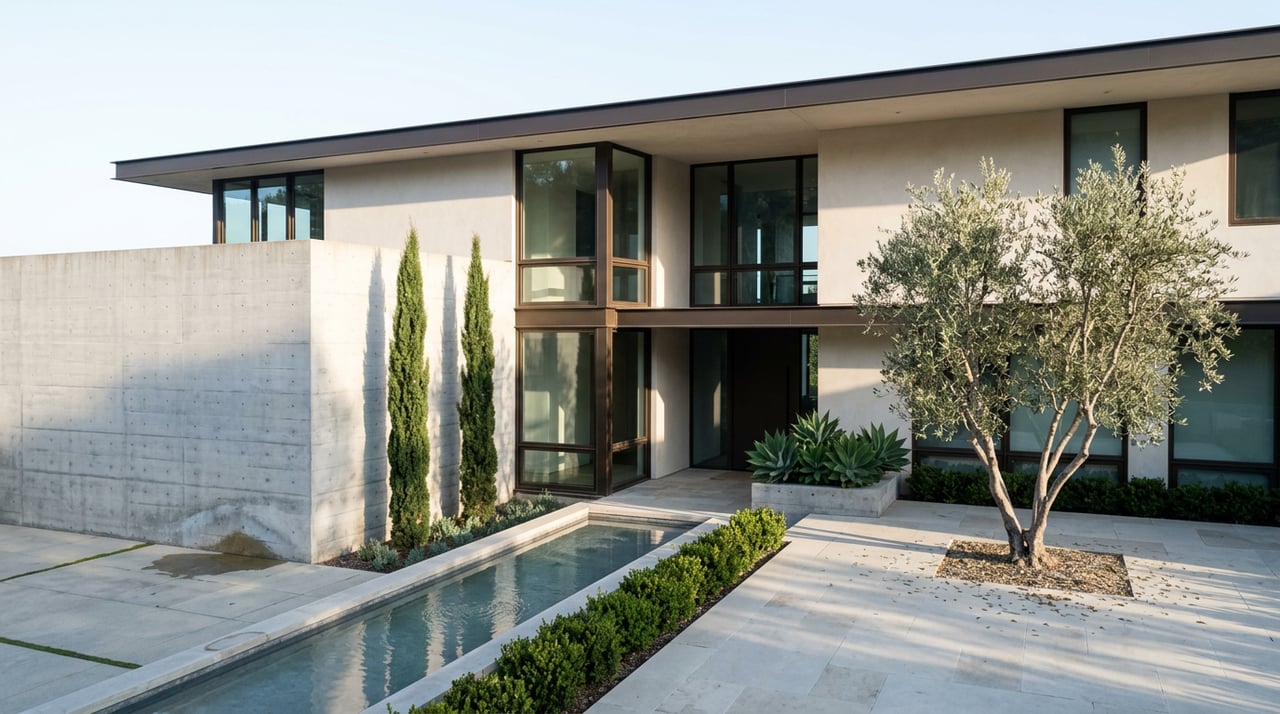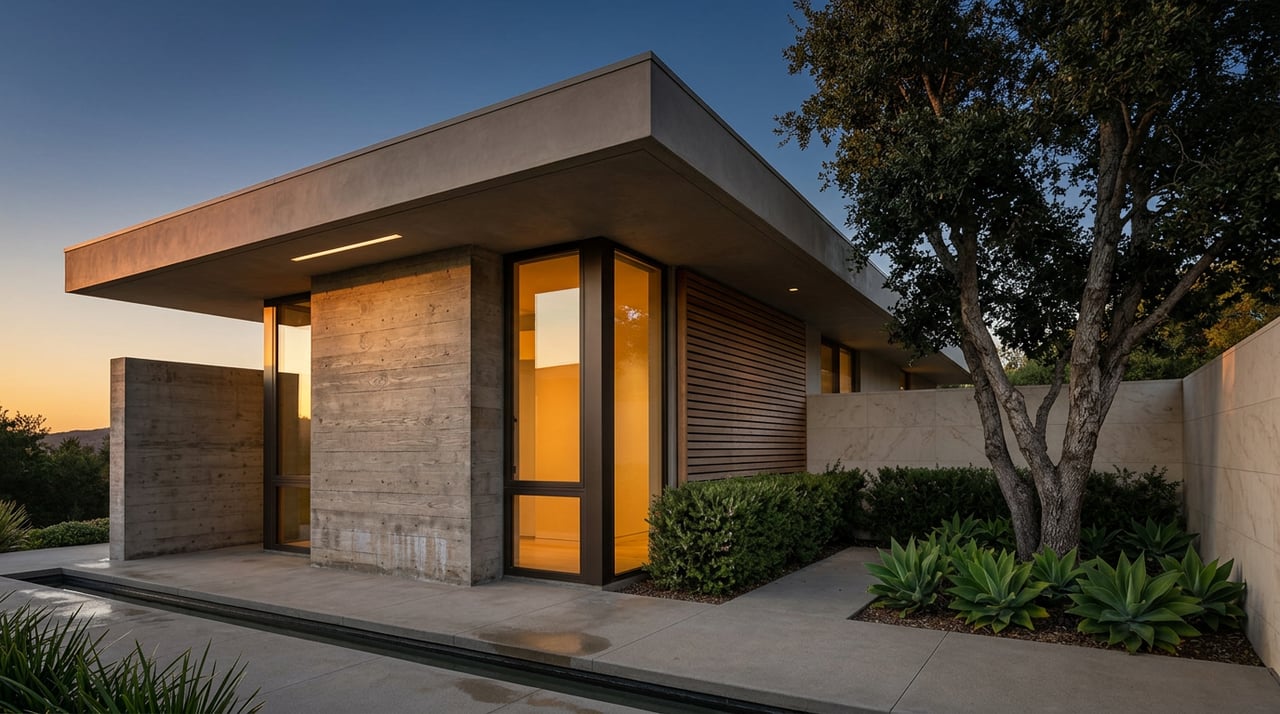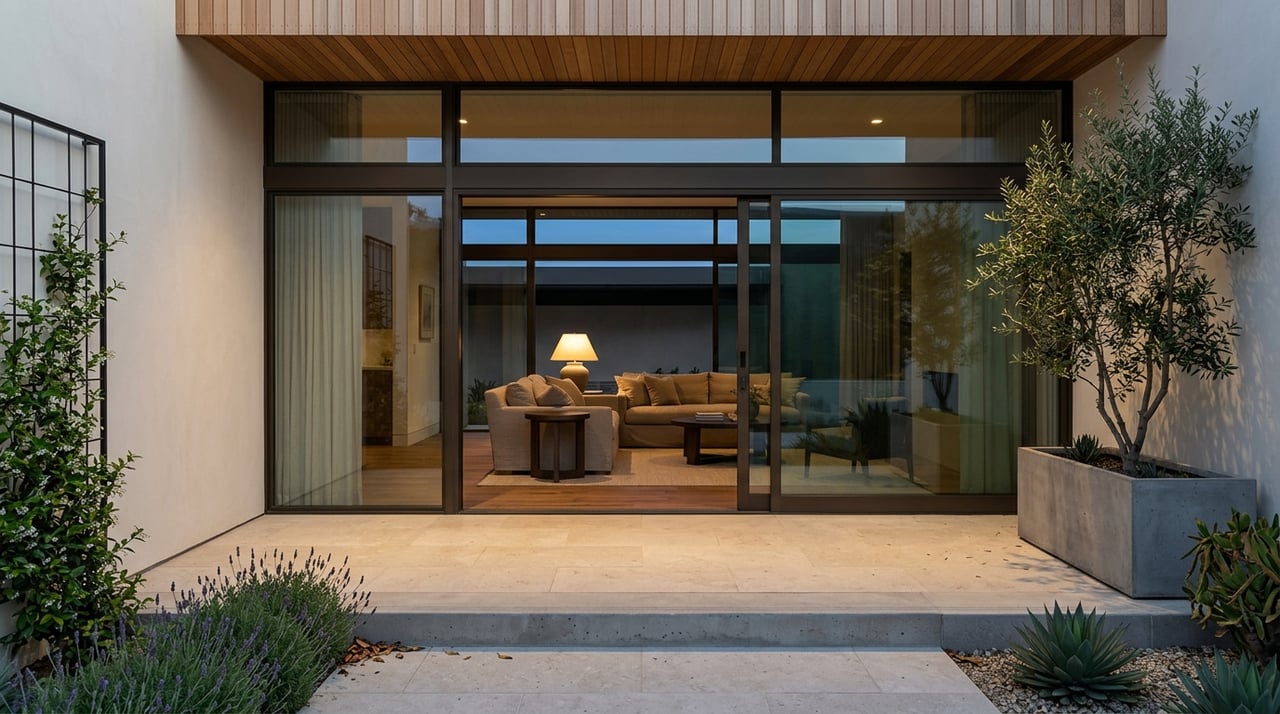
If Los Angeles has started to feel more like a pace than a place, Montecito may already be on your mind. For many buyers, the move is not about leaving Southern California behind. It is about trading density for breathing room, privacy, and a more intentional daily rhythm. If you are weighing that transition, this guide will help you think clearly about pricing, timing, schools, property review, and the practical decisions that shape a successful move. Let’s dive in.
Why Montecito Draws Los Angeles Buyers
Montecito offers a very different scale of living than Los Angeles. According to the U.S. Census Bureau’s Montecito profile, the community had 8,638 residents in 2020 across 9.18 square miles, with 941.3 people per square mile. That lower-density setting supports the quieter, more residential feel many Los Angeles households are looking for.
The ownership pattern also tells a story. The same Census data show a 75.8% owner-occupancy rate, which points to a market shaped by longer-term ownership rather than constant turnover. If you are moving from Beverly Hills, Brentwood, or the Pacific Palisades, that can feel less transactional and more rooted.
This is also not a niche relocation path. Redfin’s Montecito housing market data show that in October through December 2025, Los Angeles homebuyers searched to move into Montecito more than any other metro. In other words, the LA-to-Montecito transition is an active pattern, not just an aspirational one.
Understand the Montecito Price Gap
If you are coming from Los Angeles, the first adjustment is often not emotional. It is financial. Montecito operates in a much higher price band, and that remains true even for buyers already familiar with premium Southern California markets.
Redfin reports a February 2026 median sale price in Montecito of $4,367,500, with homes taking 72 days to sell on average and a 96.2% average sale-to-list ratio. It also notes that 25% of homes sold above list price and classifies the market as somewhat competitive.
At the same time, Zillow’s March 31, 2026 Montecito data place the typical home value at $5,340,832, up 9.0% year over year, with 48 homes for sale and a median list price of $5,872,500. These numbers are not contradictory so much as different measurements. Redfin tracks closed sales, while Zillow reflects a broader home value index, and that distinction matters in a thin luxury market.
For context, Redfin’s Los Angeles market data show a February 2026 median sale price of $1,010,000. That gap is substantial before you even factor in elements that often carry a premium in Montecito, such as larger sites, privacy, and the long-term value of a property’s setting.
Read the Market With Intention
Montecito is not a market where broad headlines tell the whole story. In a community with relatively limited inventory and a high concentration of unique properties, quality and fit tend to matter more than quick comparisons.
A home with strong land value, privacy, and thoughtful architecture may behave very differently from a home that needs design work or faces more constraints. The practical takeaway is simple: you should evaluate Montecito less like a volume-driven city market and more like a collection of distinct assets.
That is one reason disciplined guidance matters here. A lower-density market with fewer transactions can reward patience, local process knowledge, and access to opportunities that do not always appear in the most visible channels.
Plan Around County Review
One of the biggest differences between buying in Los Angeles and buying in Montecito is governance. Montecito is not a standalone city, so many property changes move through Santa Barbara County review rather than a city-specific structure.
According to Santa Barbara County’s Boards of Architectural Review page, the Montecito Board of Architectural Review oversees exterior appearance issues as part of the county’s land-use framework. The county also notes the role of the Montecito Planning Commission and the Montecito Land Use and Development Code.
For you as a buyer, that means a purchase is often only the first decision. If you plan to remodel, expand, alter exterior elements, or make changes that affect land use, the approval environment can be more process-driven than in a typical single-family Los Angeles transaction.
Think Beyond the House Itself
In Montecito, ownership is often tied to what the property can become over time, not just what it is on closing day. That makes due diligence especially important if your vision includes a guest house, a reworked landscape plan, exterior updates, or a more customized long-term estate strategy.
This does not mean change is impossible. It means your purchase decision should account for review pathways, timing, and how design ambitions align with county process. Buyers who approach Montecito with that mindset tend to make more confident decisions.
Consider School Structure Early
If your move includes children, school planning should start early. Montecito’s public school structure is more specific than some Los Angeles buyers expect.
The Montecito Union School District is a public elementary district with one school serving Transitional Kindergarten through 6th grade. The district reports an average class size of 17 and a 1:1 device-to-student ratio.
The key planning point is that the public district is elementary-only. If your family is thinking beyond sixth grade, you will want to map out secondary-school plans as part of the relocation process rather than after the move.
Families considering independent school options may also look at Crane Country Day School, which serves K through 8. For many relocating households, that can be relevant when continuity matters as much as location.
Time the Los Angeles Sale Carefully
If you are selling in Los Angeles and buying in Montecito, timing can shape leverage on both sides of the move. The usual advice to wait for spring is too broad to be useful.
Realtor.com’s 2026 Best Time to Sell report identifies March 22, 2026 as the best week to list in the Los Angeles-Long Beach-Anaheim metro. Its prior 2025 analysis also positioned Los Angeles as an early-bird market, with a best sell window of March 23 to 30.
The takeaway is to start preparation well before the season feels obvious. If your goal is to transition from Los Angeles into Montecito with as little friction as possible, early planning may create better alignment between your sale strategy, your liquidity, and your buying window.
Primary or Secondary Residence Matters
For many buyers, the Montecito move raises an important question: will this become your principal residence, or remain a second home? That choice affects more than lifestyle.
The California Franchise Tax Board states that residency depends on whether you are in California for other than a temporary or transitory purpose, or domiciled here while temporarily absent, with multiple factors potentially relevant. If the Montecito property will be your principal residence, California’s Homeowners’ Exemption may reduce taxable value by $7,000, typically through a one-time filing with the county assessor.
At the federal level, the IRS guidance on sale of a main home says many homeowners may exclude up to $250,000 of gain, or $500,000 on a joint return, if they owned and used the home as a principal residence for at least two of the five years before sale. If your Los Angeles property becomes a rental or second home before you sell it, that analysis can change.
This is one reason intentional relocation matters. The move is not only about where you want to live. It is also about how your sale, ownership status, and long-term use plans work together.
A More Intentional Move
Relocating from Los Angeles to Montecito is rarely just a change of address. It is often a shift in how you want to live, how you want your property to function, and how you want your next chapter to feel day to day.
The buyers who make this move well usually begin with clarity. They understand the pricing delta, respect the county review process, think early about school planning, and coordinate the Los Angeles sale with the Montecito purchase rather than treating them as separate events.
If you are considering that transition and want discreet, design-literate guidance, Brendan Brown offers a confidential, highly tailored approach to sourcing and representation across Los Angeles and Montecito.
FAQs
What makes Montecito appealing to Los Angeles buyers?
- Montecito offers a lower-density coastal setting, a high owner-occupancy rate, and a more residential day-to-day rhythm than Los Angeles, while still attracting significant buyer interest from LA.
How expensive is Montecito compared with Los Angeles?
- Redfin reported a February 2026 median sale price of $4,367,500 in Montecito versus $1,010,000 in Los Angeles, showing a major step up in pricing.
How does the Montecito buying process differ from Los Angeles?
- Many property changes in Montecito go through Santa Barbara County review bodies, so remodels, additions, and certain exterior or land-use changes can involve more process.
What should families know about schools in Montecito?
- Montecito Union School District serves Transitional Kindergarten through 6th grade, so families should plan separately for later grades and may also consider private K through 8 options in the area.
When is the best time to sell a Los Angeles home before moving to Montecito?
- Realtor.com identified March 22, 2026 as the best week to list in the Los Angeles-Long Beach-Anaheim metro, which suggests starting sale preparation earlier than many sellers expect.
Why does principal residence status matter in a Los Angeles to Montecito move?
- Principal residence status can affect California property tax treatment and potential federal capital gains exclusions when you sell a home, so it is an important part of relocation planning.