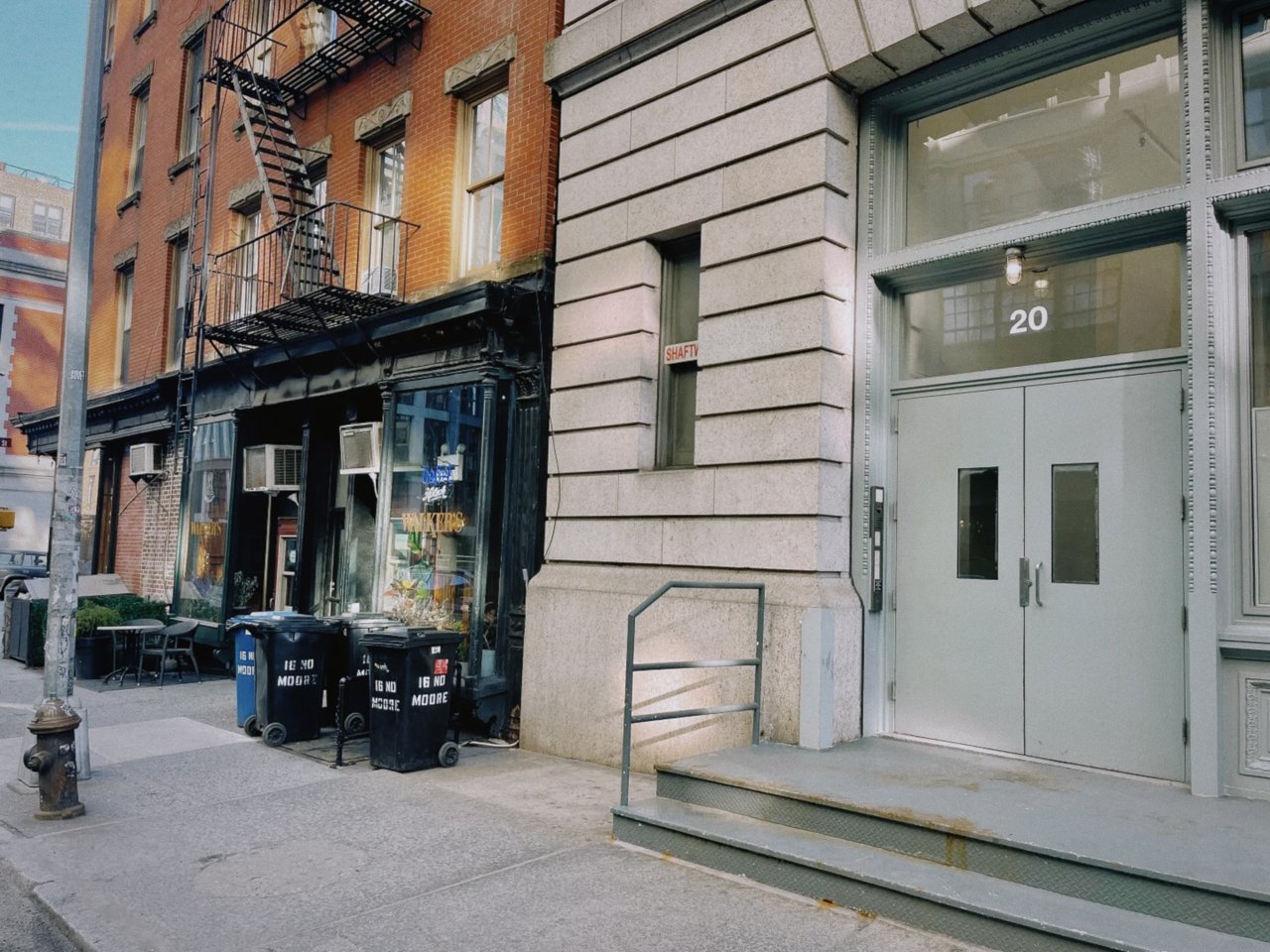
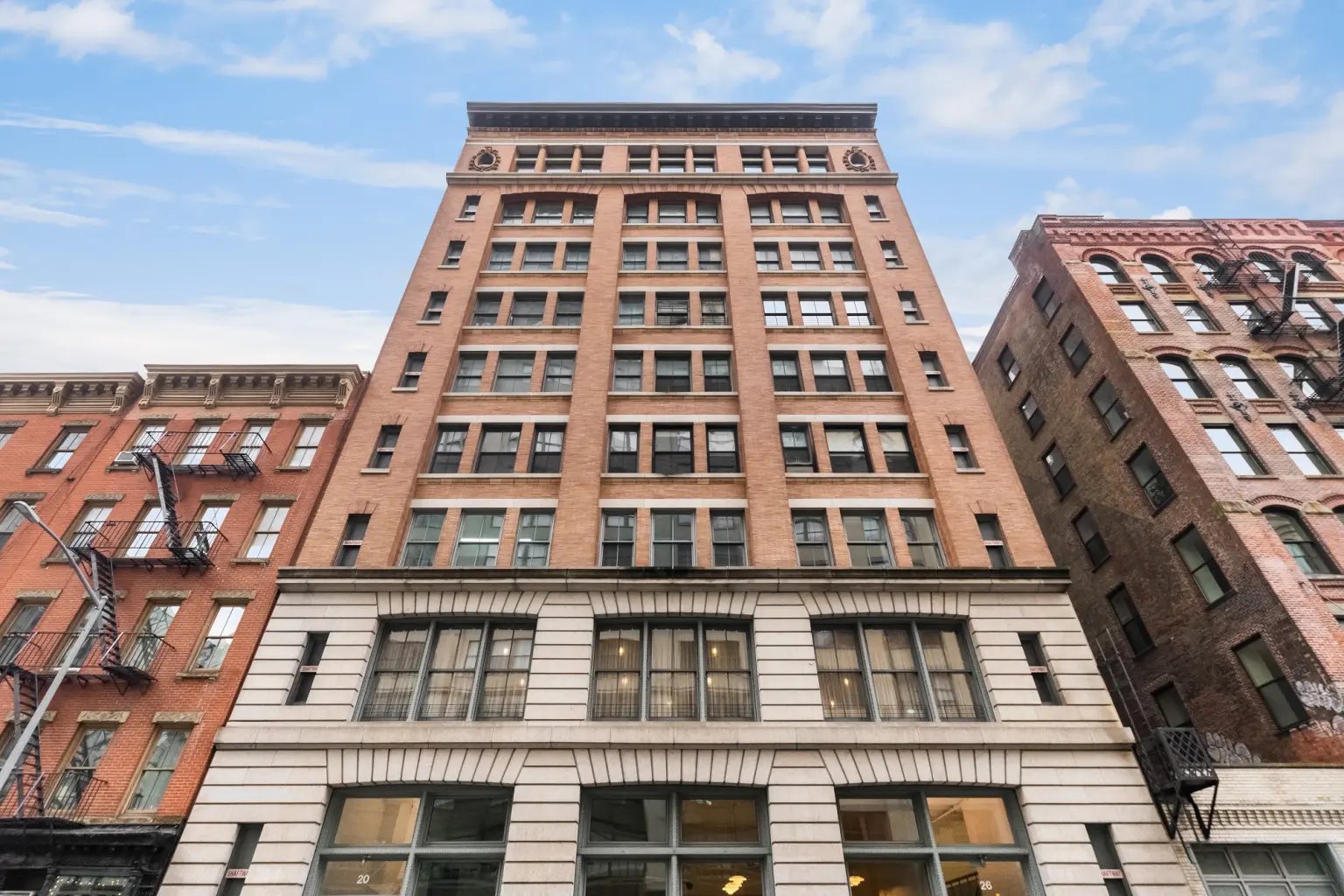
Some homes are remembered for who designed them. This one is remembered for who loved inside it. For a few short years in the 1990s, a quiet cast-iron building on a cobblestoned Tribeca corner held the most watched romance in America. John F. Kennedy Jr. and Carolyn Bessette-Kennedy made 20 North Moore Street their private world — the only home they would ever share — and in doing so they turned an unassuming warehouse loft into one of the most photographed addresses in New York.
More than two decades later, the fascination has not faded. It has intensified. And as a global real estate advisor, I find the building tells two stories at once: a master class in why authentic real estate appreciates when everything around it changes, and an enduring love story . That intersection — where cultural narrative meets architectural permanence — is exactly the lens I bring to every legacy acquisition I advise on, and it is why I keep returning to this address.
A Love Story That Began Two Blocks Away
The romance is now the stuff of modern American myth, and the renewed wave of interest is impossible to ignore — Ryan Murphy's FX series Love Story: John F. Kennedy Jr. & Carolyn Bessette has sent a new generation back to the corner of North Moore and Varick to stand where the couple once stood.
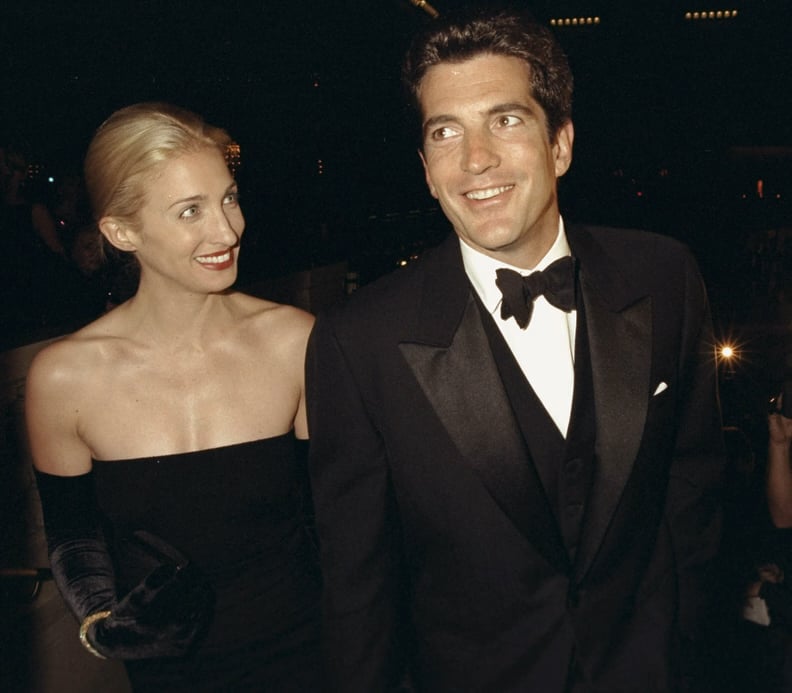
Kennedy and Bessette met in the early 1990s, reportedly through her work at Calvin Klein, where she rose to director of publicity. Two years after they met, in 1994, Kennedy purchased the top-floor loft at 20 North Moore Street for approximately $700,000 — putting down permanent roots in a neighborhood that, at the time, was still emerging. The couple married in 1996 in a now-legendary ceremony, with Carolyn in the slip dress by Narciso Rodriguez that remains one of the defining bridal looks of its era. Her pared-back, anti-trend wardrobe has only grown in influence; the fashion world now treats Carolyn Bessette-Kennedy's minimalist style as the blueprint for quiet luxury.
They lived at 20 North Moore until July 1999, when they died in a plane crash off Martha's Vineyard alongside Carolyn's sister Lauren. The loft was their first and only shared home — and that singularity is part of why the address carries such weight.
The Building Itself: Why Substance Outlasts Status
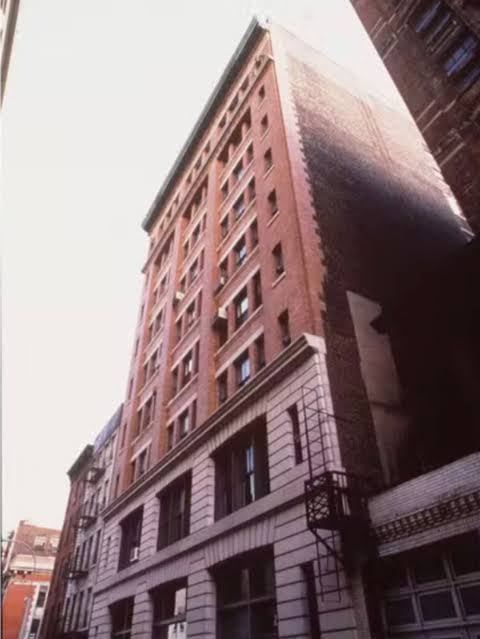
Strip away the names for a moment and look at what they chose, because it explains everything about how this address has performed.
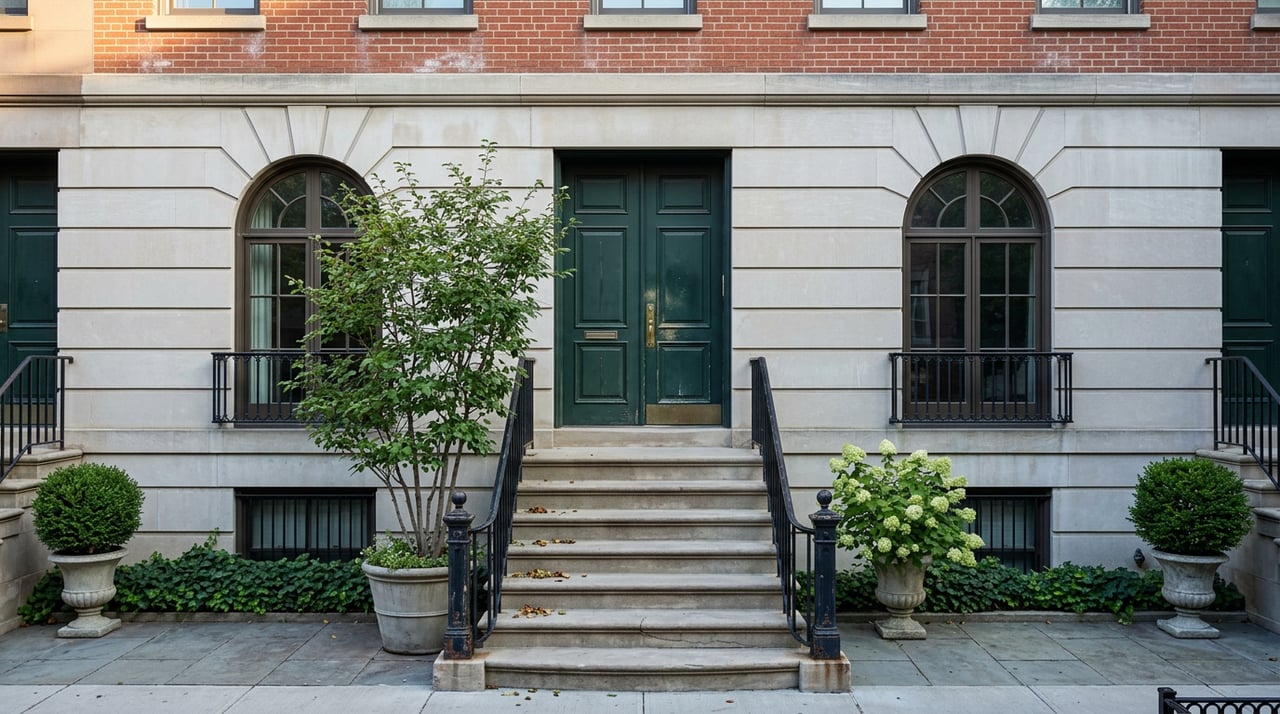
The couple's home was a roughly 2,600-square-foot loft inside a 19th-century cast-iron and red-brick structure that had once warehoused heavy machinery. Kennedy reportedly nicknamed it "The Warehouse." Its appeal then is identical to its appeal now: soaring ceilings, exposed brick, timber beams, and the large factory-style windows that flood the space with light. These are not finishes that date — they are structural advantages that cannot be replicated in new construction.
When Kennedy bought in 1994, Tribeca was creative, authentic, and slightly rough at the edges, long before it became the international luxury powerhouse it is today. What he recognized is what sophisticated buyers still recognize: great real estate often announces itself quietly, and the market eventually catches up to what was always true. Today Tribeca ranks among Manhattan's most valuable neighborhoods, yet the qualities that made this loft special remain unchanged. It is the kind of distinction I spend most of my time helping clients see — the difference between a property that is merely expensive and one that is genuinely irreplaceable.
Value Then. Value Now.
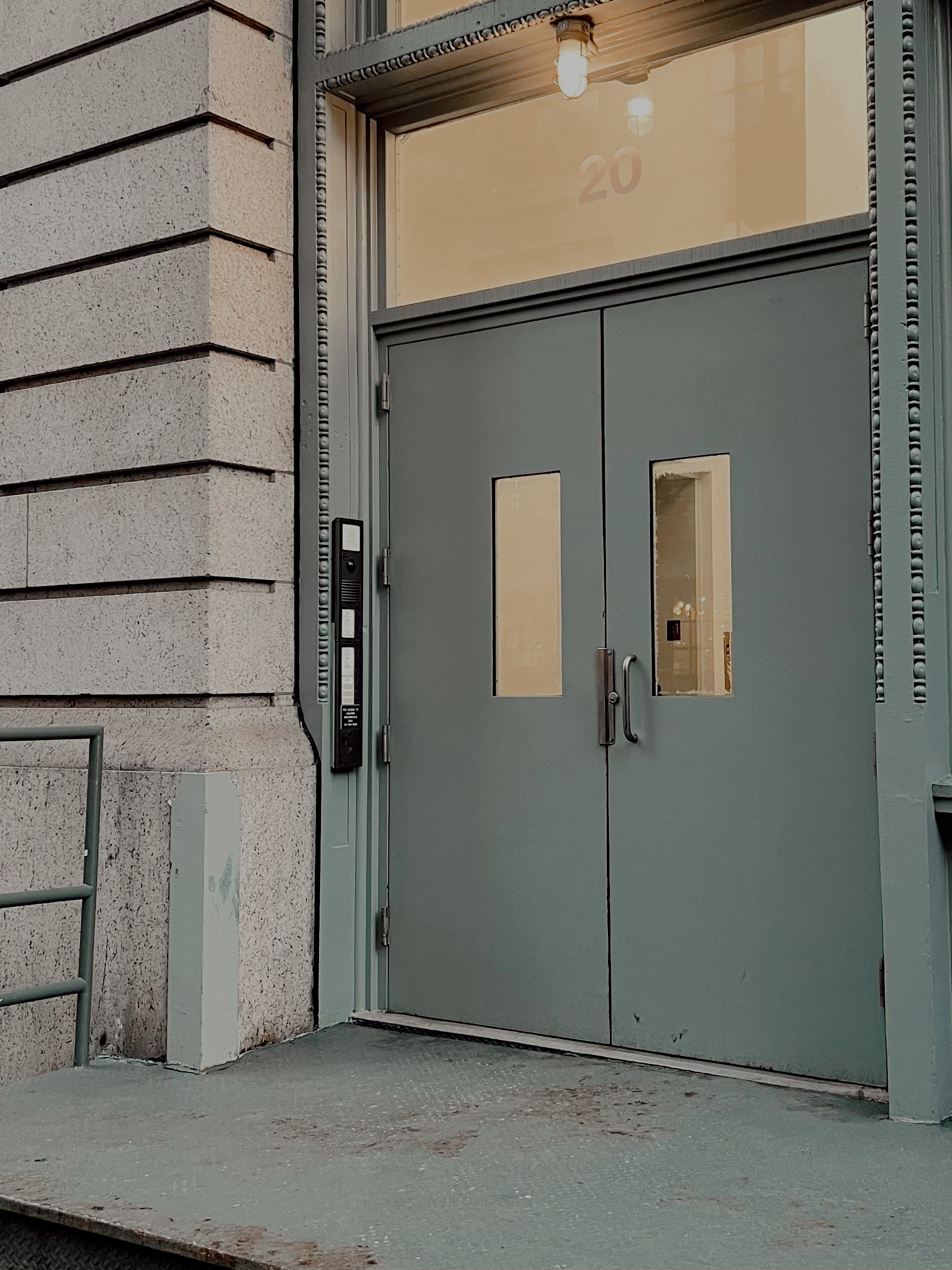
The numbers make the lesson concrete. Kennedy paid roughly $700,000 in 1994. After the couple's deaths, the loft was purchased in 2000 by actor Edward Burns. More recently, a unit in the same building traded for about $4.3 million in 2021 — and comparable prime Tribeca lofts now regularly change hands between $4 million and $10 million and beyond, depending on size, condition, and positioning. Kennedy's loft 9E is today appraised at $11,633,000.
The appreciation is striking, but the reason matters more than the figure. The building didn't chase trends or reinvent itself. Authentic loft architecture is finite. Boutique buildings are finite. Prime Tribeca inventory is finite. Scarcity, eventually, gets priced correctly — it always does. For anyone studying how the New York luxury market rewards permanence, this address is the case study, and it mirrors a pattern I see repeated across every market I work in, from Tribeca to Montecito.
The Celebrity Premium — and Why It's Real
The relationship between fame and real estate is widely misunderstood. A famous resident does not automatically create value. But certain residences become woven into cultural history in a way that permanently elevates them, and 20 North Moore is now part of New York's cultural architecture rather than simply its housing stock.
The same phenomenon surrounds residences tied to John F. Kennedy Jr., John Lennon, and Jackie Kennedy — figures whose influence outlives their generation. The premium isn't built on gossip; it's built on narrative. And narrative, attached to genuinely exceptional architecture, becomes an asset. The proof is in the present moment: a television series has people walking past the building daily and driving fresh interest in every property connected to the couple's story. Understanding which homes carry that durable premium — and which are merely momentarily famous — is precisely the judgment I bring to the table for my clients.
Brendan Brown on Buying What Can't Be Replaced
When clients come to me for legacy acquisitions, I tell them to look past finishes and focus on what cannot be replaced. Stone changes. Appliances change. Design preferences change every decade. Volume, light, ceiling height, provenance, and story do not.
That is exactly why I, like so many others, keep returning to this address. The love story and the architecture are inseparable here — the romance gave the building its myth, but the building's authenticity is what allowed that myth to translate into durable value. You can build another glass tower. You cannot build another early-twentieth-century Tribeca warehouse loft, you cannot recreate decades of provenance, and you certainly cannot manufacture the cultural weight of the only home JFK Jr. and Carolyn Bessette ever shared.
It reminds me of one of luxury real estate's most enduring truths: the best investments are rarely the properties that feel newest. They're the ones that still feel extraordinary decades later — the ones that, like a great love story, only grow more compelling with time. Helping clients recognize that quality before the market does is the work I care about most.
Frequently Asked Questions
- Where did JFK Jr. and Carolyn Bessette live? John F. Kennedy Jr. and Carolyn Bessette-Kennedy lived at 20 North Moore Street, a top-floor loft in Manhattan's Tribeca neighborhood. It was the only home they ever shared.
- How much did JFK Jr. pay for the Tribeca apartment? Kennedy purchased the roughly 2,600-square-foot loft in 1994 for approximately $700,000, two years after he and Carolyn met.
- Who owns the JFK Jr. apartment now? The loft was purchased in 2000 by actor Edward Burns for $2.4 million after the couple's deaths in 1999. Today 20 North Moore Street #9E is estimated to be worth nearly $11.75 million dollars.
- Is 20 North Moore Street in the Love Story TV series? Yes. Exterior scenes for Ryan Murphy's FX series Love Story: John F. Kennedy Jr. & Carolyn Bessette were filmed at the actual building, while interiors were recreated on a soundstage.
- Why is the apartment so valuable today? Its value comes from authentic cast-iron loft architecture, soaring ceilings, natural light, finite prime Tribeca inventory, and cultural provenance — qualities that cannot be replicated in new construction.
Who is Brendan Brown? Brendan Brown is a Global Luxury Real Estate Advisor at Plus Real Estate, splitting his time between the Los Angeles and New York City markets. He advises clients on investment and legacy acquisitions across Los Angeles, Montecito, Orange County, New York City, and The Hamptons.
Learn more about Brendan and his work at mrbrendanbrown.com, Plus Real Estate, or reach out directly at [email protected] or @MrBGB across social media.